Model Answer:
Agricultural Supply Chain Management (SCM) entails the seamless, integrated flow of commodities from “farm to fork,” encompassing input supply, production, processing, and final distribution.
Scope of Agri-SCM in India

- Input Sourcing: Timely, efficient provision of seeds, fertilizers, and credit to farmers (KCC, digital agri-stack).
- Procurement & Aggregation: Farm-gate collection and pooling of produce through cooperatives, FPOs, and APMCs (e-NAM integration).
- Logistics & Storage: Specialized transit and holding infrastructure, including cold chains, silos, and reefer vehicles (Kisan Rail, Krishi Udaan).
- Processing & Value Addition: Transforming raw produce to extend shelf life and market value (Mega Food Parks, PMFME).
- Retail Distribution: Last-mile delivery networks connecting directly to domestic consumers and export markets (Amul dairy model).
Significance of Agri-SCM
- Minimizing Wastage: Plugs logistical leaks to heavily reduce post-harvest losses, currently at ~16% for perishables (ICAR data).
- Income Augmentation: Eliminates redundant intermediaries, ensuring higher farm-gate price realization (Ashok Dalwai Committee mandate).
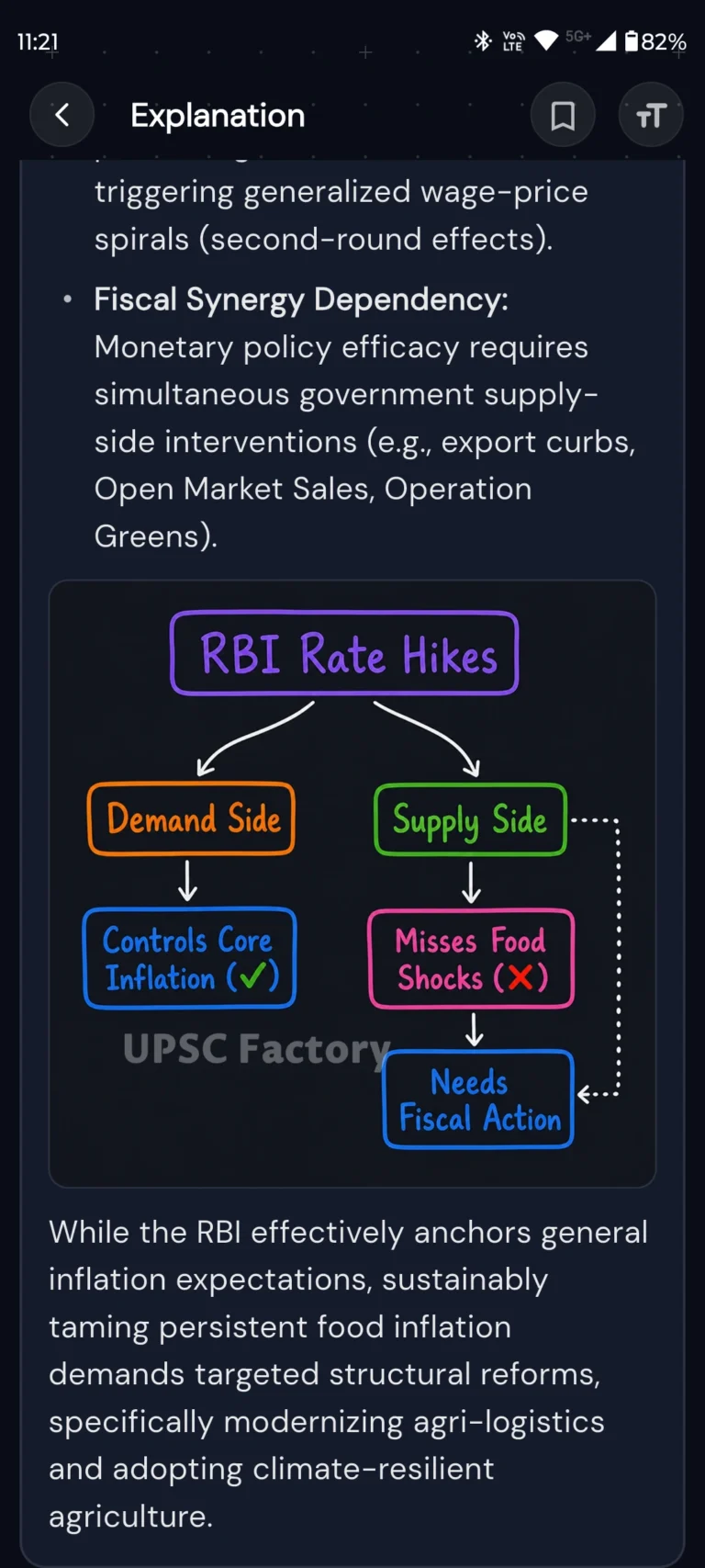
- Price Stabilization: Efficient storage and transit mitigate seasonal supply shocks, preventing inflation and glut-driven price crashes (Operation Greens).
- Export Competitiveness: Establishes the quality standardization and traceability required to penetrate high-value global markets (APEDA initiatives).
- Food Security: Ensures equitable, year-round geographic distribution of essential commodities without nutritional degradation.
A robust, modernized SCM—anchored by initiatives like PM Kisan SAMPADA Yojana and digital public infrastructure—is pivotal for transforming Indian agriculture into a resilient, globally competitive enterprise.