UPSC Mains 2022 GS3 Model Answer

Q. What are the maritime security challenges in India ? Discuss the organisational, technical and procedural initiatives taken to improve the maritime security.

Q. What are the maritime security challenges in India ? Discuss the organisational, technical and procedural initiatives taken to improve the maritime security.

Question from UPSC Mains 2022 GS3 Paper

Model Answer: 

India’s 7,516 km coastline and 2.01 million sq. km Exclusive Economic Zone (EEZ) face multifaceted traditional and non-traditional maritime threats.

1. Maritime Security Challenges in India

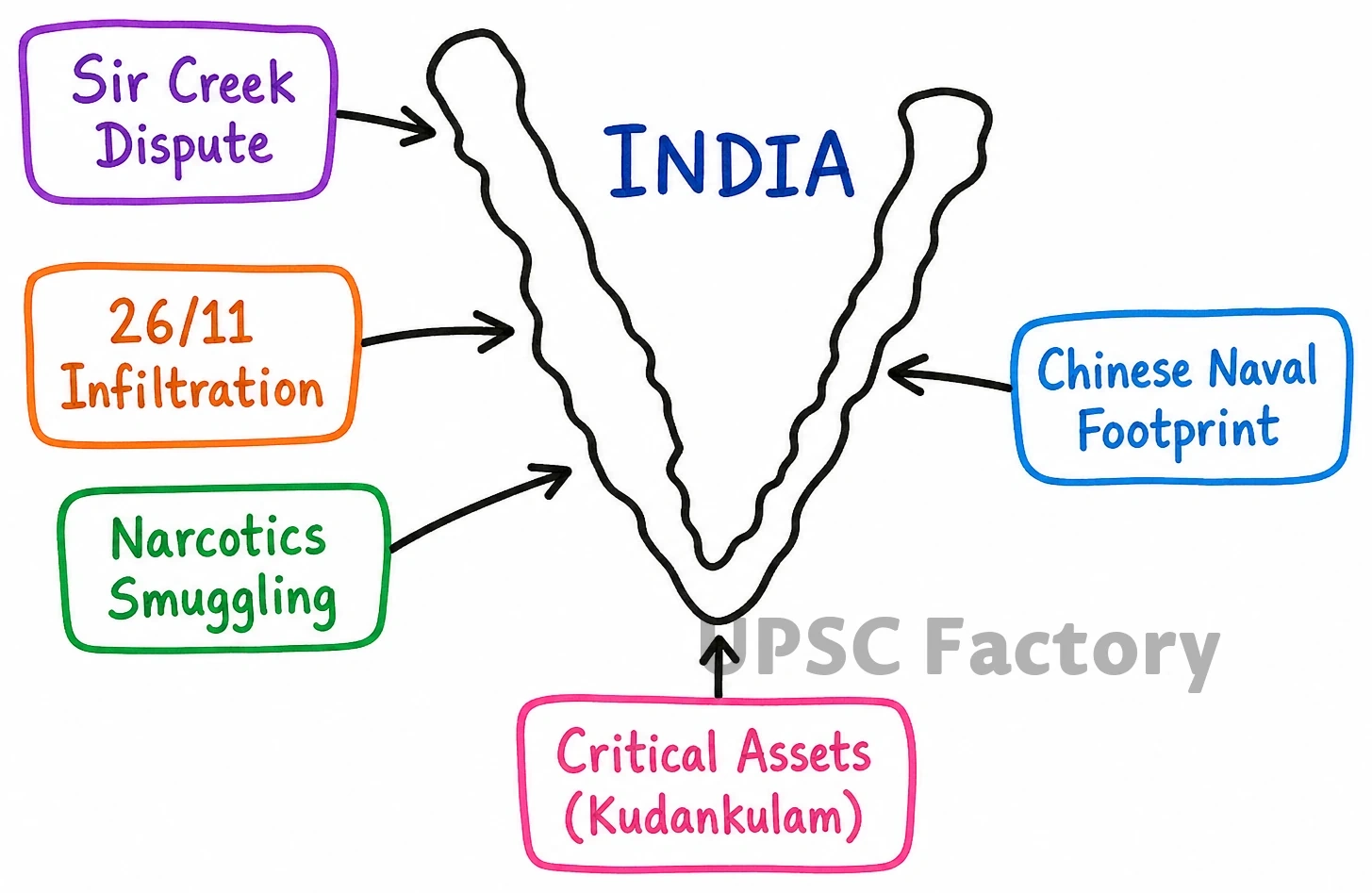
  • Terrorism & Infiltration: Exploitation of porous, unpoliced coastlines by non-state actors (26/11 Mumbai attacks).
  • Transnational Smuggling: High-volume influx of narcotics and arms via vulnerable sea lanes (Makran coast route).
  • Geopolitical Rivalry: Expanding Chinese naval footprint in the Indian Ocean and unresolved boundaries (Sir Creek).
  • Infrastructure Vulnerability: Constant threat to critical coastal assets, ports, and offshore installations (Bombay High, Kudankulam).
2. Initiatives to Improve Maritime Security

Organisational Initiatives

  • Three-Tier Security Framework: Synergized jurisdiction dividing the Navy, Coast Guard, and State Marine Police.
  • Institutional Capacity Building: Phased implementation of the Coastal Security Scheme (CSS) and creation of the Sagar Prahari Bal.

Technical Initiatives

  • Information Fusion: Establishment of IMAC and the NC3I network for real-time, centralized vessel tracking.
  • Domain Awareness: Deployment of the Coastal Surveillance Radar Network (CSRN) and signing White Shipping Agreements.

Procedural Initiatives

  • Interoperability Protocols: Regular joint coastal defense exercises to test Standard Operating Procedures (Exercise Sea Vigil).
  • Identity Management: Mandatory biometric ID cards for fishermen and standardized color-coding of local fishing boats.

Continual modernization of these security frameworks, aligned with the SAGAR (Security and Growth for All in the Region) doctrine, is essential to establish India as a resilient net security provider.
Q. What are the maritime security challenges in India ? Discuss the organisational, technical and procedural initiatives taken to improve the maritime security. Read More »

Q. Explain the mechanism and occurrence of cloudburst in the context of the Indian subcontinent. Discuss two recent examples.

Q. Explain the mechanism and occurrence of cloudburst in the context of the Indian subcontinent. Discuss two recent examples.

Question from UPSC Mains 2022 GS3 Paper

Model Answer:

The IMD defines a cloudburst as highly localized, intense rainfall exceeding 100mm/hour over a 20-30 sq. km area, typically triggering devastating flash floods.

1. Mechanism of Cloudbursts

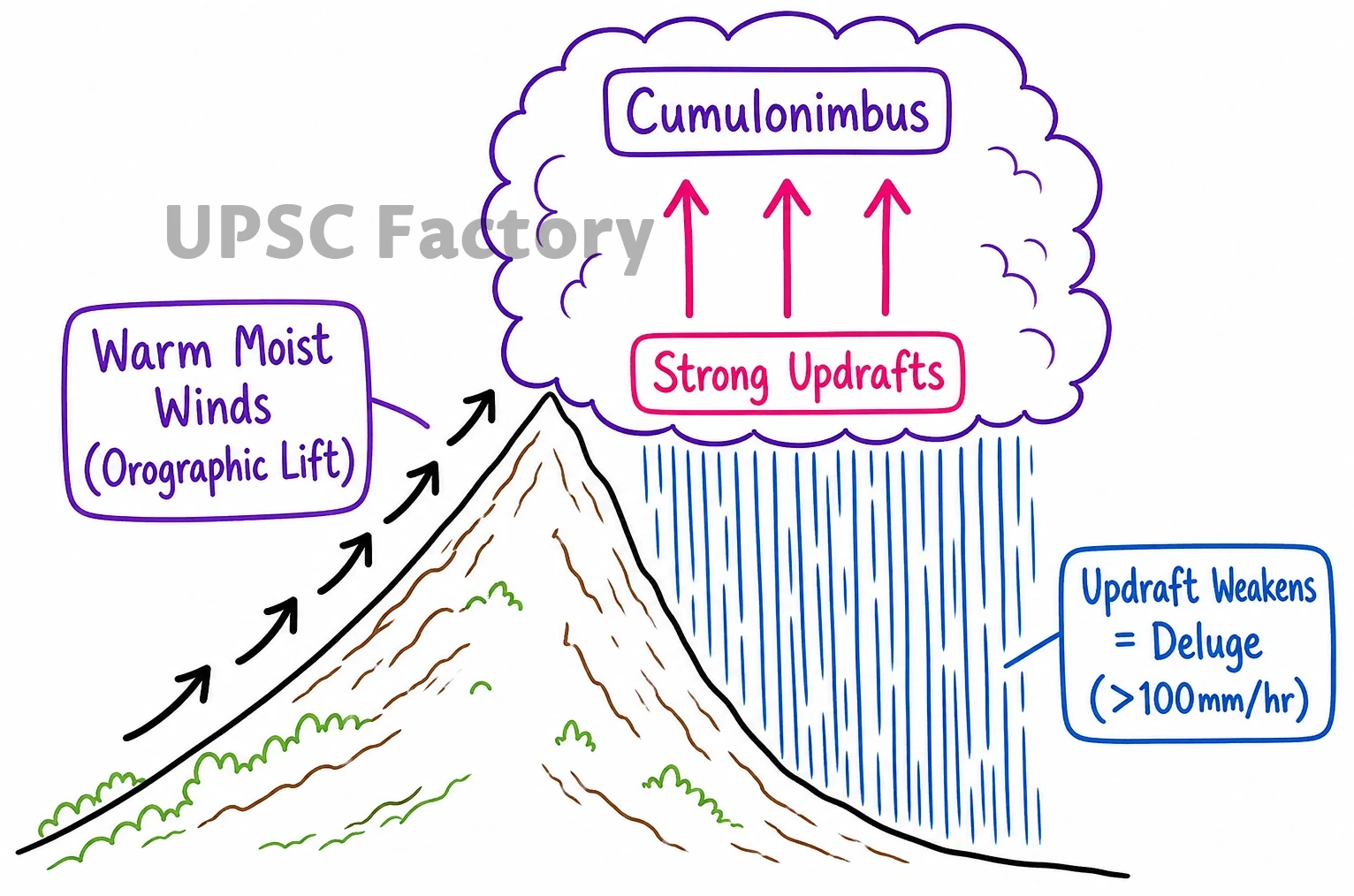
  • Orographic Lifting: Warm, moist monsoon winds are forced rapidly upwards by steep mountainous terrains.
  • Cumulonimbus Formation: This rapid ascent causes quick condensation, creating massive, towering cumulonimbus clouds.
  • Updraft Suspension: Extremely strong upward air currents (updrafts) hold heavy water droplets aloft, preventing normal precipitation.
  • Sudden Deluge: When updrafts suddenly weaken, the massive volume of suspended water falls catastrophically in minutes.

2. Occurrence in the Indian Subcontinent

  • Himalayan Belt: Most vulnerable due to steep, V-shaped valleys that physically trap moisture-laden clouds (Himachal Pradesh, Uttarakhand, J&K).
  • Western Ghats: Orographic lifting of Arabian Sea branches occasionally triggers bursts along coastal peaks.

3. Recent Examples

  • Amarnath Cave, J&K (July 2022): A severe localized cloudburst triggered massive flash floods and mudslides, resulting in 16 fatalities.
  • Himachal Pradesh (August 2022): Successive cloudbursts in the Mandi district washed away highways, bridges, and agricultural lands, severely disrupting regional infrastructure.

Mitigating cloudburst impacts requires expanding high-frequency Doppler Weather Radar networks for precise micro-level forecasting, integrated with robust, community-level early warning systems.

Q. Explain the mechanism and occurrence of cloudburst in the context of the Indian subcontinent. Discuss two recent examples. Read More »

Q. Discuss in detail the photochemical smog emphasizing its formation, effects and mitigation. Explain the 1999 Gothenburg Protocol.

Q. Discuss in detail the photochemical smog emphasizing its formation, effects and mitigation. Explain the 1999 Gothenburg Protocol.

Question from UPSC Mains 2022 GS3 Paper

Model Answer: 

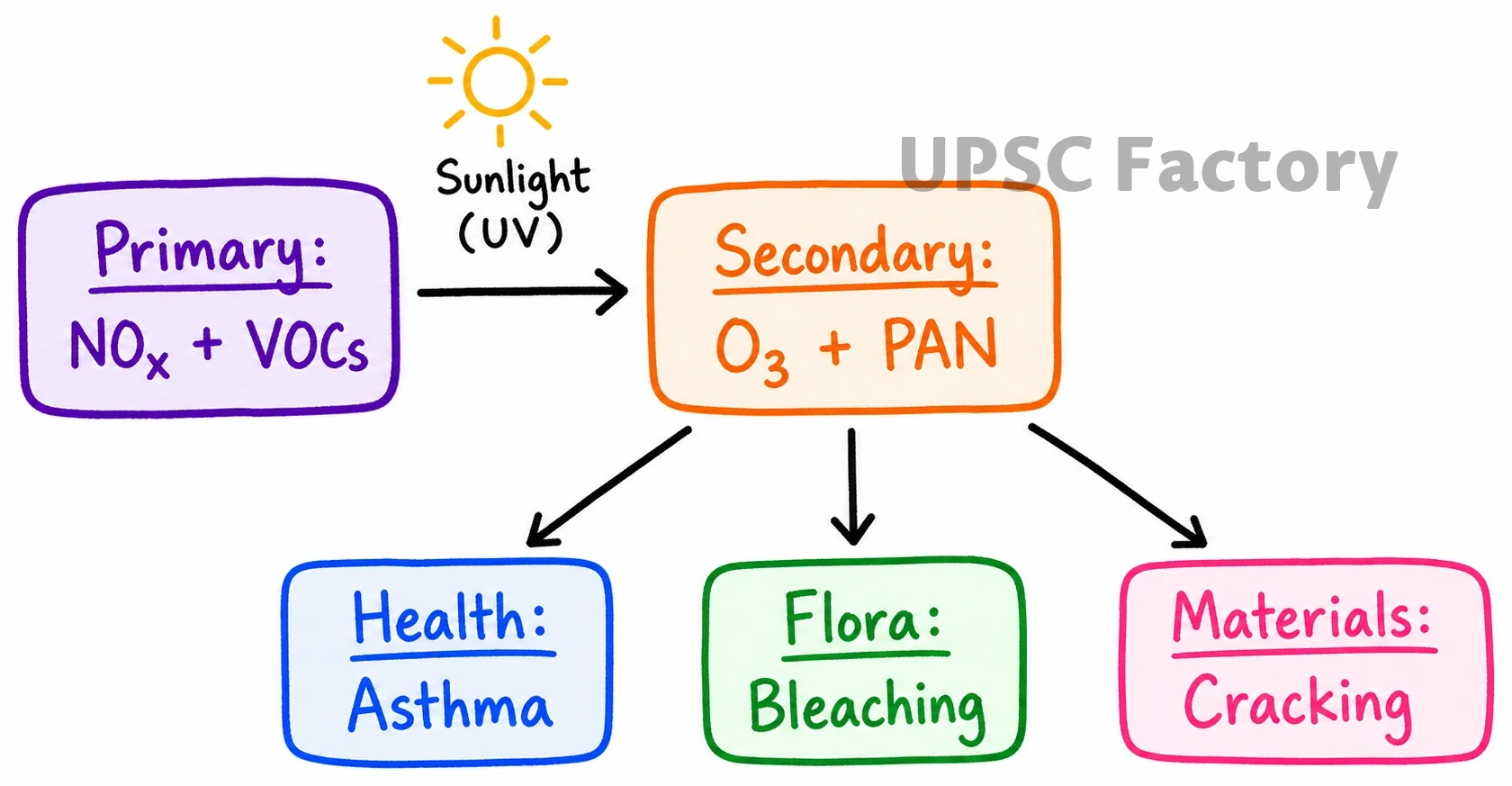
Photochemical smog (summer smog) is a secondary pollutant mixture formed when solar ultraviolet light reacts with nitrogen oxides (NOx) and volatile organic compounds (VOCs).

1. Photochemical Smog: Formation, Effects, and Mitigation

  • Formation: Sunlight drives photochemical reactions between vehicular/industrial emissions (NOx and VOCs), generating toxic secondary pollutants like ground-level Ozone (O3) and Peroxyacetyl nitrate (PAN).
  • Effects: Triggers severe respiratory distress (asthma), causes eye irritation, inhibits plant photosynthesis (foliage bleaching), and accelerates material degradation (cracking of rubber).
  • Mitigation: Mandating BS-VI emission standards (curbs NOx), deploying 3-way catalytic converters, installing Vapor Recovery Systems at fuel stations, and executing the National Clean Air Programme (NCAP).

2. 1999 Gothenburg Protocol

  • Core Mandate: A multi-effect protocol under the UNECE LRTAP Convention aiming to abate acidification, eutrophication, and ground-level ozone globally.
  • Binding Targets: Establishes legally binding national emission ceilings for four major pollutants: Sulphur dioxide (SO2), NOx, VOCs, and ammonia.
  • 2012 Amendment: Expanded the protocol’s scope to include mandatory emission reduction commitments for fine particulate matter (PM2.5) and Black Carbon.

Combating the rising menace of photochemical smog requires synergizing international frameworks like the Gothenburg Protocol with robust, localized emission reduction strategies for sustainable urban air quality.

Q. Discuss in detail the photochemical smog emphasizing its formation, effects and mitigation. Explain the 1999 Gothenburg Protocol. Read More »

Q. Each year a large amount of plant material, cellulose, is deposited on the surface of Planet Earth. What are the natural processes this cellulose undergoes before yielding carbon dioxide, water and other end products ?

Q. Each year a large amount of plant material, cellulose, is deposited on the surface of Planet Earth. What are the natural processes this cellulose undergoes before yielding carbon dioxide, water and other end products ?

Question from UPSC Mains 2022 GS3 Paper

Model Answer: 

Cellulose, the most abundant organic polymer on Earth, undergoes sequential biological and physical decomposition to drive the global carbon cycle.

1. Physical Breakdown & Preparatory Phases

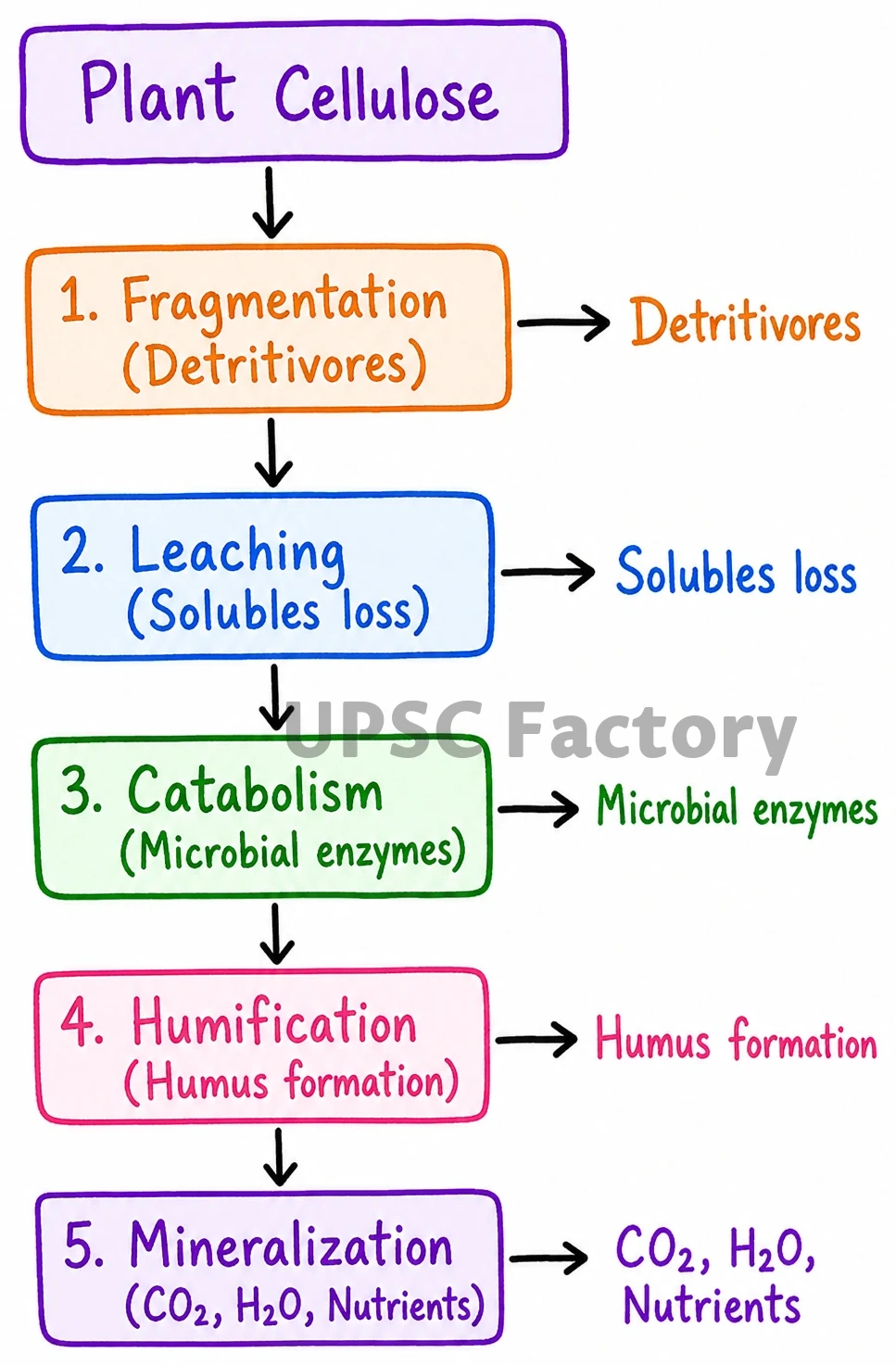
  • Fragmentation: Detritivores break fallen plant matter into smaller particles, exponentially increasing the surface area for microbial action (Earthworms, millipedes).
  • Leaching: Water-soluble inorganic nutrients and simple sugars percolate into deeper soil horizons, often precipitating as unavailable salts.

2. Biochemical Catabolism & Mineralization

  • Enzymatic Catabolism: Saprophytic bacteria and fungi secrete extracellular enzymes (cellulase) to hydrolyze complex cellulose polymers into simpler glucose molecules (Trichoderma fungi).
  • Humification: Incomplete decomposition forms humus, a dark, amorphous, highly microbial-resistant organic layer that acts as a vital nutrient reservoir.
  • Mineralization: Aerobic microbes completely degrade humus and simple sugars, releasing inorganic nutrients, carbon dioxide (CO2), and water.
  • Anaerobic Methanogenesis: In oxygen-depleted environments, specialized microbes convert cellulose directly into methane (CH4) and CO2 (Termite guts, wetland soils).

This intricate physical and microbial cascade ensures continuous ecological nutrient recycling, preventing massive biomass accumulation while sustaining Earth’s biogeochemical equilibrium.

Q. Each year a large amount of plant material, cellulose, is deposited on the surface of Planet Earth. What are the natural processes this cellulose undergoes before yielding carbon dioxide, water and other end products ? Read More »

Q. The increase in life expectancy in the country has led to newer health challenges in the community. What are those challenges and what steps need to be taken to meet them ?

Q. The increase in life expectancy in the country has led to newer health challenges in the community. What are those challenges and what steps need to be taken to meet them ?

Question from UPSC Mains 2022 GS3 Paper

Model Answer: 

India’s life expectancy reaching ~70 years is a developmental success but creates complex epidemiological and socio-economic challenges for an expanding ageing population (LASI Report).

Emerging Health Challenges

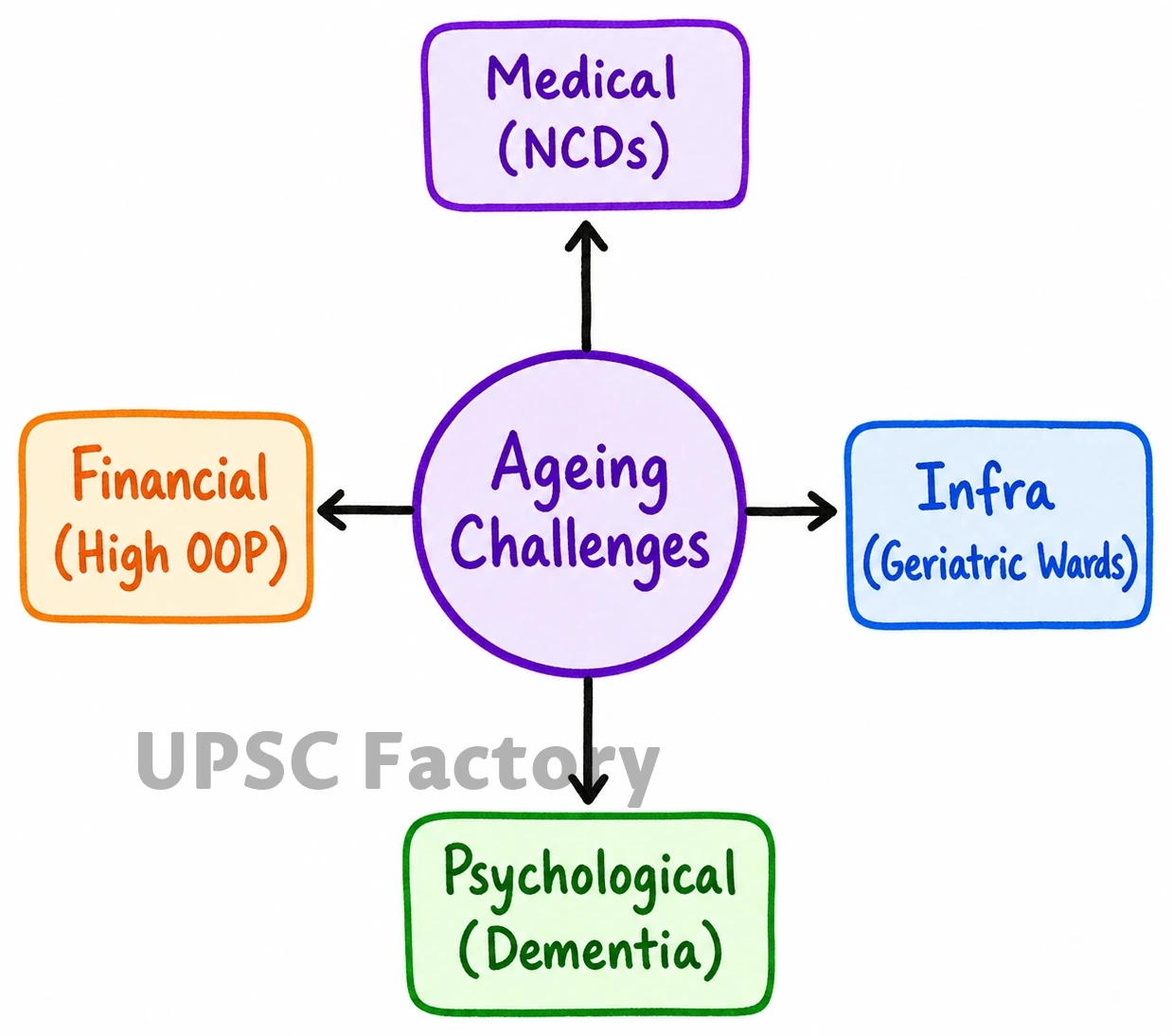
  • Chronic Multimorbidity: Surge in age-related Non-Communicable Diseases (NCDs) requiring lifelong management (diabetes, cardiovascular issues).
  • Cognitive Decline & Mental Health: Rising cases of dementia, Alzheimer’s, and depression worsened by social isolation (nuclear family trend).
  • Infrastructure Deficits: Acute shortage of specialized geriatric wards and trained medical professionals, especially in rural areas.
  • Financial Burden: High out-of-pocket healthcare expenditure due to prolonged illnesses and inadequate insurance coverage for the elderly.

Steps Needed to Address Them

  • Specialized Geriatric Care: Expand the National Programme for the Health Care of the Elderly (NPHCE) down to PHC levels.
  • Financial Security: Universalize health coverage (e.g., Ayushman Bharat extension to >70 years) and enhance old-age pensions.
  • Community & Home-Based Care: Train ASHA workers in palliative care and scale up elderly-accessible telemedicine (eSanjeevani).
  • Social & Mental Support: Enforce the Maintenance of Parents Act (2007) strictly and integrate geriatric counseling via Tele-MANAS.

Securing healthy ageing requires a life-cycle approach blending robust medical infrastructure, financial security, and social empathy, effectively fulfilling Article 41 mandates.

Q. The increase in life expectancy in the country has led to newer health challenges in the community. What are those challenges and what steps need to be taken to meet them ? Read More »

Q. Elaborate the scope and significance of the food processing industry in India.

Q. Elaborate the scope and significance of the food processing industry in India.

Question from UPSC Mains 2022 GS3 Paper

Model Answer: 

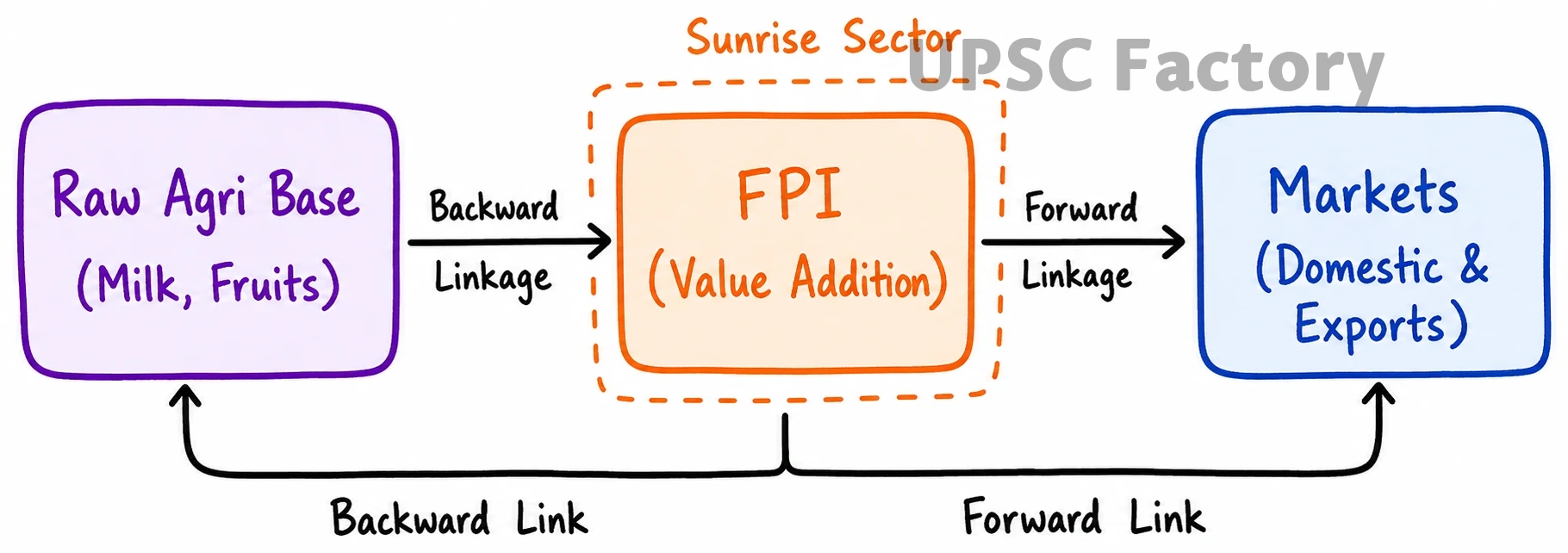
The Food Processing Industry (FPI) is a “sunrise sector” linking agriculture and industry, contributing ~10% to agriculture GVA and attracting 100% FDI under the automatic route.

1. Scope of the Food Processing Industry

  • Vast Raw Material Base: India ranks first in milk and livestock, and second in fruits and vegetables globally.
  • Untapped Potential: Only ~10% of India’s agricultural produce is currently processed, offering enormous headroom for expansion.
  • Expanding Domestic Market: Rapid urbanization and a rising middle class drive surging demand for “ready-to-eat” convenience foods.
  • Export Competitiveness: Strategic geographic location enables large-scale exports to the Middle East and Southeast Asia (e.g., GI-tagged agri-exports).

2. Significance of the Sector

  • Waste Reduction: Converts perishables into durable goods, mitigating post-harvest losses estimated at ₹90,000 crores annually.
  • Income Augmentation: Drives robust backward linkages (e.g., contract farming), directly improving price realization for farmers.
  • Rural Employment: Its labor-intensive nature absorbs surplus farm labor, thereby curbing rural-to-urban distress migration.
  • Nutritional Security: Enables food fortification and extends shelf-life to combat hidden hunger (e.g., processed millets, fortified rice).
  • Crop Diversification: Incentivizes the transition from water-intensive cereals to high-value commercial horticulture.

Interventions like PM KISAN SAMPADA Yojana, Mega Food Parks, and the PLI Scheme for FPI are critical to bridge infrastructural gaps, ultimately positioning India as the “food basket of the world.”

Q. Elaborate the scope and significance of the food processing industry in India. Read More »

Q. What are the major challenges of Public Distribution System (PDS) in India ? How can it be made effective and transparent ?

Q. What are the major challenges of Public Distribution System (PDS) in India ? How can it be made effective and transparent ?

Question from UPSC Mains 2022 GS3 Paper

Model Answer:

The Public Distribution System (PDS), institutionalized under the NFSA 2013, ensures baseline food security for over 800 million Indians, yet faces systemic bottlenecks.

Major Challenges of PDS in India

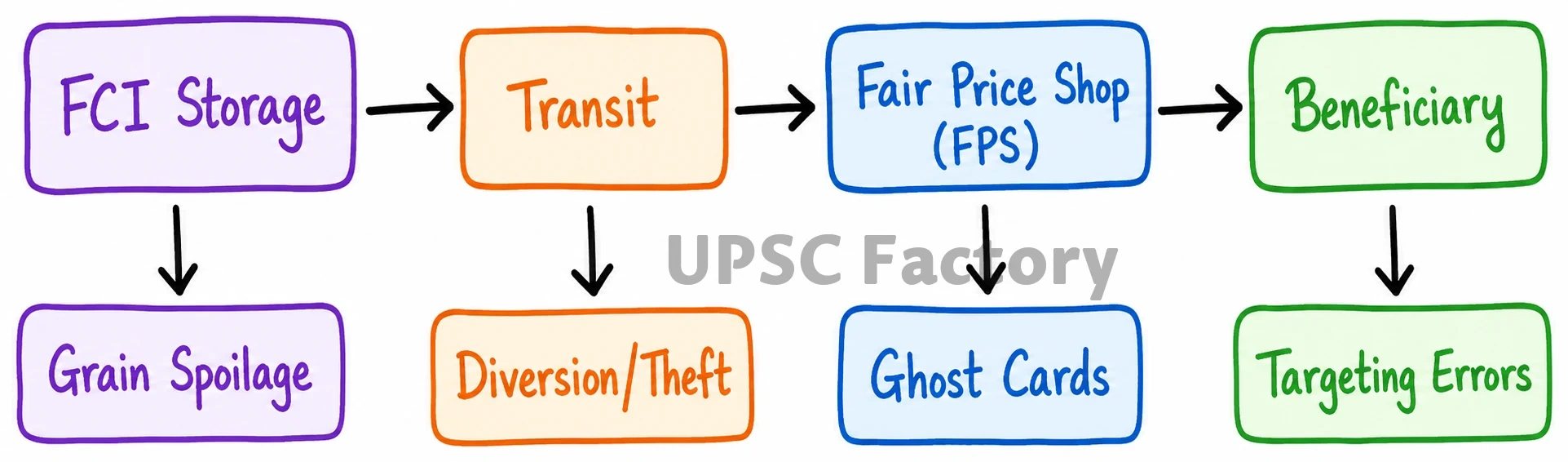
  1. Targeting Errors: Severe inclusion (covering non-poor) and exclusion (missing genuine poor) errors (Shanta Kumar Committee).
  2. Supply Chain Leakages: High transit losses, black-market diversion, and issuance of ghost ration cards.
  3. Storage Inefficiencies: Suboptimal scientific storage infrastructure with FCI leads to massive grain spoilage.
  4. Nutritional & Ecological Skew: Over-reliance on rice and wheat neglects protein-rich pulses and water-efficient millets.

Measures to Make PDS Effective and Transparent

  1. End-to-End Computerization: Digitize supply chain tracking using GPS-enabled transport and smart weighing (Chhattisgarh PDS Model).
  2. Biometric Authentication: Mandate 100% Aadhaar-seeding and e-PoS (electronic Point of Sale) machine usage at Fair Price Shops.
  3. National Portability: Universalize the ‘One Nation One Ration Card’ (ONORC) scheme to protect migrant workers.
  4. Direct Benefit Transfer (DBT): Transition to cash transfers in urban, food-surplus districts to bypass physical leakages.
  5. Dietary Diversification: Distribute fortified rice and bio-fortified millets (Shree Anna) to simultaneously combat “hidden hunger”.

Upgrading the PDS through tech-driven transparency and decentralized procurement is vital to elevate India from basic caloric provision to comprehensive nutritional security.

Q. What are the major challenges of Public Distribution System (PDS) in India ? How can it be made effective and transparent ? Read More »

Q. Is inclusive growth possible under market economy ? State the significance of financial inclusion in achieving economic growth in India.

Q. Is inclusive growth possible under market economy ? State the significance of financial inclusion in achieving economic growth in India.

Question from UPSC Mains 2022 GS3 Paper

Model Answer: 

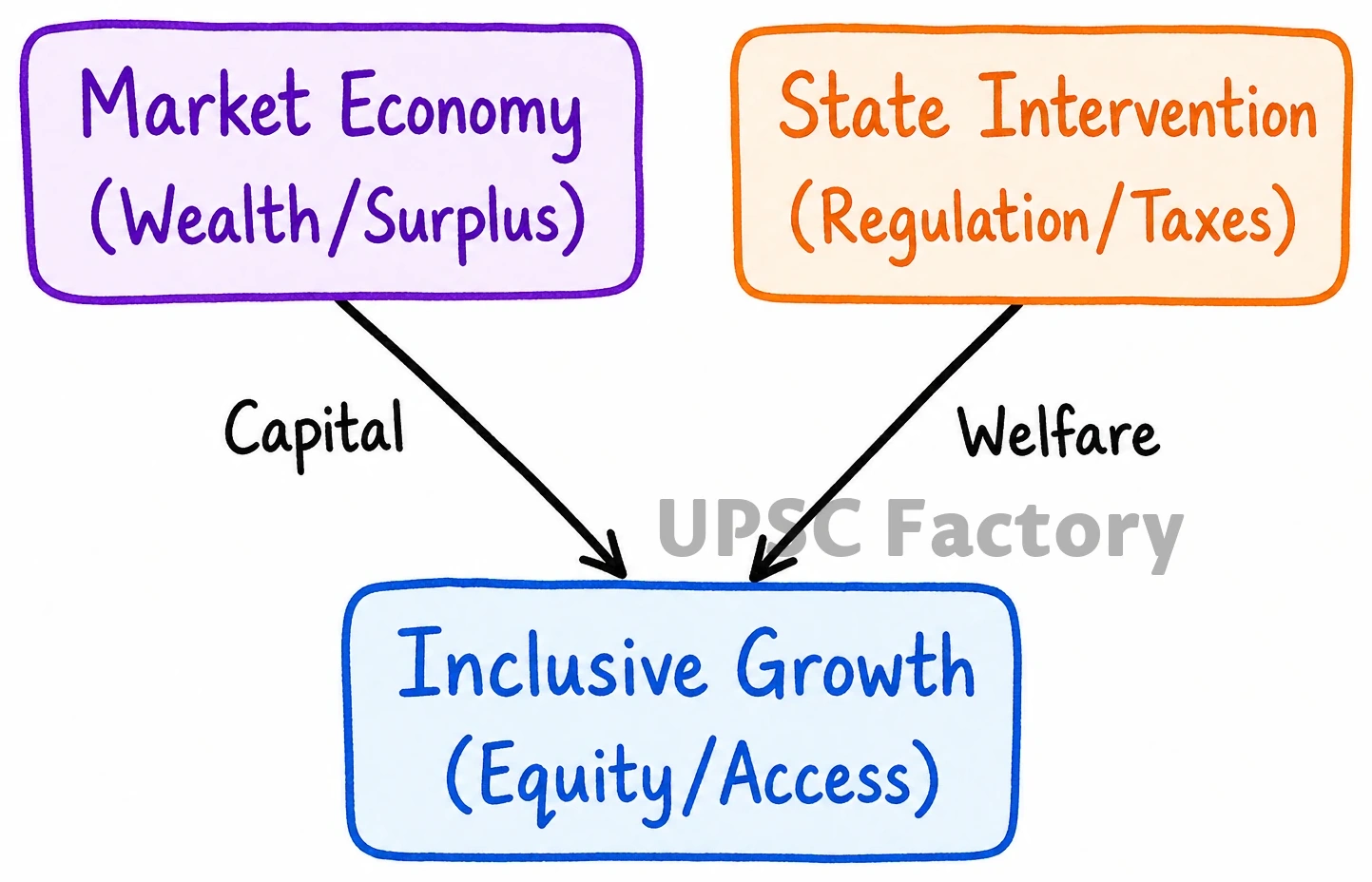
A market economy prioritizes efficiency and wealth creation but inherently risks exacerbating inequalities. However, inclusive growth remains achievable through strategic state interventions.

1. Feasibility of Inclusive Growth in a Market Economy

  • Wealth Redistribution: Free markets generate capital surplus; progressive taxation mechanisms channel this into targeted welfare to bridge inequality.
  • Human Capital Development: State investments in education and health build equitable capabilities, allowing marginalized groups to participate in markets.
  • Correcting Market Failures: Regulatory frameworks prevent monopolistic wealth concentration and protect grassroots enterprises (e.g., Competition Commission of India).

2. Significance of Financial Inclusion for India’s Economic Growth

  • Capital Formation: Formalizes dormant household savings, expanding the lending pool for productive national investments (e.g., PM Jan Dhan Yojana).
  • Grassroots Entrepreneurship: Democratizes access to micro-credit, driving MSME growth and decentralized job creation (e.g., PM MUDRA Yojana).
  • Welfare Efficiency: Enables targeted Direct Benefit Transfers via the JAM trinity, eliminating leakages and spurring rural consumption.
  • Economic Resilience: Access to micro-insurance and pensions mitigates livelihood shocks, preventing vulnerable populations from relapsing into poverty.

Financial inclusion acts as a critical enabler, ensuring the multiplier effect of a market economy reaches the bottom of the pyramid.

Q. Is inclusive growth possible under market economy ? State the significance of financial inclusion in achieving economic growth in India. Read More »

Q. Why is Public Private Partnership (PPP) required in infrastructural projects ? Examine the role of PPP model in the redevelopment of Railway Stations in India.

Q. Why is Public Private Partnership (PPP) required in infrastructural projects ? Examine the role of PPP model in the redevelopment of Railway Stations in India.

Question from UPSC Mains 2022 GS3 Paper

Model Answer:

Public Private Partnership (PPP) bridges the gap between public welfare mandates and private sector efficiency, proving essential for accelerating India’s economic growth.

Need for PPP in Infrastructural Projects

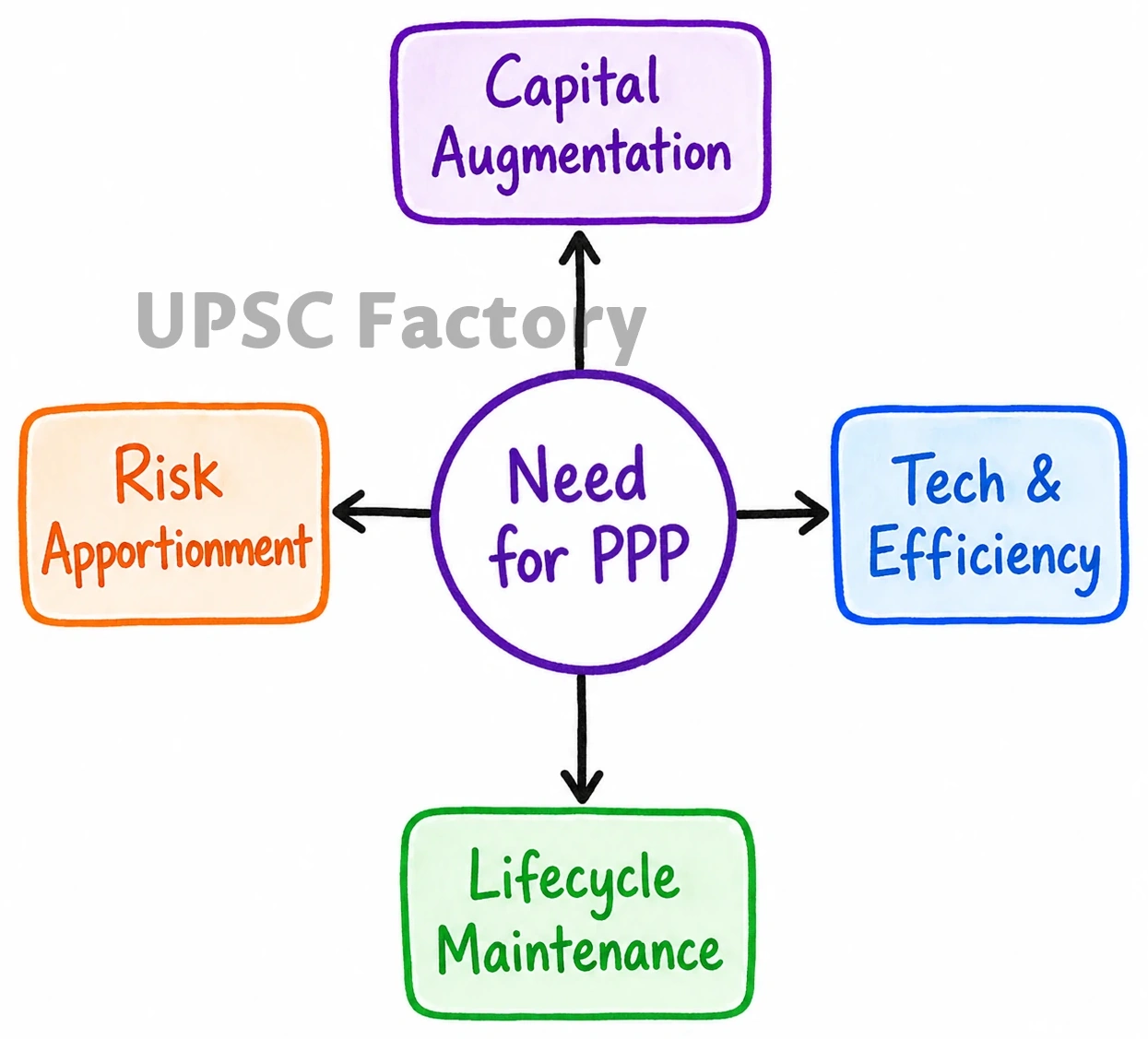
  • Capital Augmentation: Bridges massive funding deficits constrained by fiscal limits to meet ambitious targets (National Infrastructure Pipeline: ₹111 lakh crore).
  • Operational Efficiency: Injects private sector innovation, advanced technical expertise, and ensures timely project execution.
  • Optimal Risk Apportionment: Allocates financial, regulatory, and construction risks to entities best equipped to manage them (Kelkar Committee recommendations).
  • Lifecycle Maintenance: Shifts the focus from mere asset creation to long-term, high-quality service delivery and maintenance.

Role in Redevelopment of Railway Stations

  • Innovative Monetization: Employs the DBFOT (Design, Build, Finance, Operate, Transfer) model, allowing developers to commercially exploit vacant railway land and airspace.
  • World-Class Amenities: Upgrades infrastructure into transit-oriented multimodal hubs with airport-like retail and segregated passenger concourses (Rani Kamlapati Station, Bhopal; Gandhinagar Capital Station).
  • Revenue Generation: Reduces the core financial burden on Indian Railways while boosting non-fare revenue streams.
  • Implementation Challenges: Hindered by long gestation periods, multi-departmental clearance delays, and complex revenue-sharing disputes.

Institutionalizing an independent infrastructure regulator and establishing robust, time-bound dispute resolution mechanisms will maximize PPP potential, transforming India’s railway modernization vision into reality.

Q. Why is Public Private Partnership (PPP) required in infrastructural projects ? Examine the role of PPP model in the redevelopment of Railway Stations in India. Read More »

Q. Discuss the types of organised crimes. Describe the linkages between terrorists and organised crime that exist at the national and transnational levels.

Q. Discuss the types of organised crimes. Describe the linkages between terrorists and organised crime that exist at the national and transnational levels.

Question from UPSC Mains 2022 GS3 Paper

Model Answer: 

Organized Crime:

Organized crime and terrorism pose significant threats to internal security, both individually and through their interconnections. Understanding these phenomena and their linkages is crucial for developing effective counter-strategies.

Types of Organized Crime:

1. Drug trafficking: Illicit production, distribution, and sale of narcotics.
2. Human trafficking: Exploitation of individuals for forced labor or sexual purposes.
3. Arms smuggling: Illegal trade of weapons across borders.
4. Cybercrime: Large-scale fraud, data theft, and ransomware attacks.
5. Money laundering: Concealing origins of illegally obtained money.
6. Extortion and protection rackets: Demanding money through force or threats.
7. Counterfeiting: Production and distribution of fake currency or goods.

Linkages between Terrorism and Organized Crime:

National Level:
1. Financing: Terrorist groups often engage in organized criminal activities to fund their operations. For instance, some militant groups in India’s Northeast have been involved in drug trafficking.

2. Logistics: Criminal networks provide terrorists with transportation, safe houses, and false documentation.

3. Recruitment: Both entities may recruit from the same pool of disenfranchised youth, especially in conflict-prone areas.

4. Weapons procurement: Terrorists acquire arms through established smuggling networks.

Transnational Level:

1. Global networks: International criminal syndicates facilitate the movement of terrorists, weapons, and finances across borders.

2. Shared routes: Drug trafficking routes are often used for terrorist movement, as seen in the “Golden Crescent” region of Afghanistan-Pakistan-Iran.

3. Money laundering: International financial systems are exploited to move and legitimize funds for both criminal and terrorist activities.

4. Cybercrime: Terrorists leverage the expertise of cybercriminals for propaganda, recruitment, and attacks on critical infrastructure.

5. State sponsorship: Some nations use criminal networks as proxies to support terrorist groups in other countries.

Challenges:

1. Blurred lines: The convergence of organized crime and terrorism makes it difficult to distinguish and combat them separately.

2. Jurisdictional issues: Transnational nature of these activities complicates law enforcement efforts.

3. Technological advancements: Criminals and terrorists adapt quickly to new technologies, often outpacing security agencies.

4. Corruption: Criminal-terrorist nexus often compromises law enforcement and political systems.

Policy Responses and Effectiveness:

1. Multi-agency coordination: India has established bodies like the Multi-Agency Centre (MAC) for intelligence sharing, but implementation remains a challenge.

2. International cooperation: Initiatives like the UN Convention against Transnational Organized Crime have improved global coordination, but gaps remain.

3. Financial intelligence: Strengthening of institutions like the Financial Intelligence Unit-India has helped track suspicious transactions, but sophisticated money laundering techniques persist.

4. Capacity building: Training programs for law enforcement agencies have improved, but keeping pace with evolving threats remains difficult.

Conclusion:
The intricate linkages between organized crime and terrorism present a complex challenge to internal security. Addressing this nexus requires a multi-faceted approach involving improved intelligence, international cooperation, and adaptive policies to stay ahead of evolving threats.

Q. Discuss the types of organised crimes. Describe the linkages between terrorists and organised crime that exist at the national and transnational levels. Read More »