What, according to Robert Michels, is the iron law of oligarchy? Do lions and foxes in Vilfredo Pareto’s theory, essentially differ from each other? Substantiate.
Model Answer:
Classical Elite Theory
Classical Elite Theory argues an organized minority inevitably rules an unorganized majority. Robert Michels and Vilfredo Pareto offer seminal perspectives on this power dynamic, critiquing both Marxist economic determinism and Democratic Pluralism.
In Political Parties, Michels formulated his law based on the egalitarian German Social Democratic Party, arguing that all organizations inevitably become oligarchic due to:
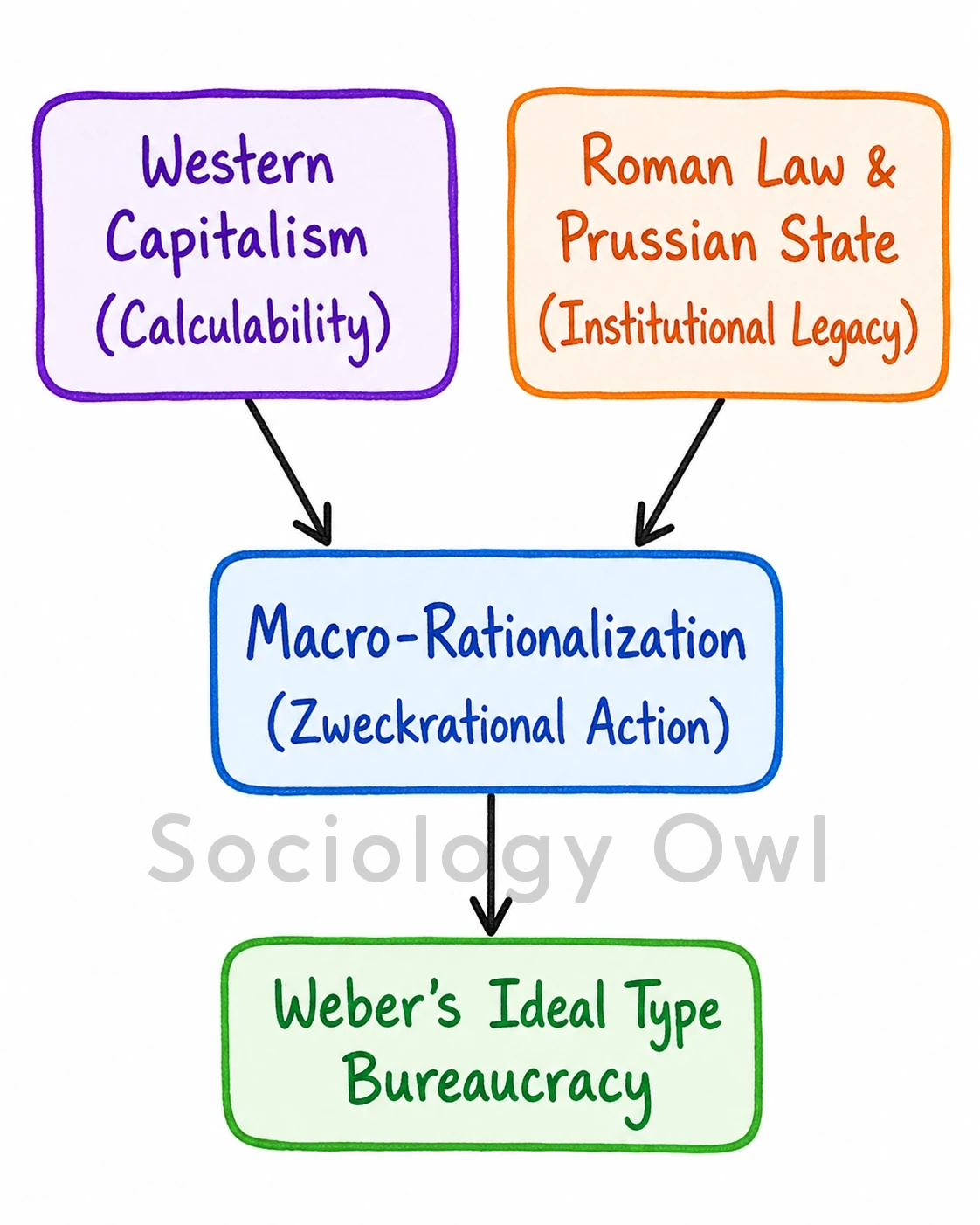
- Structural Needs: Complex administration demands rapid, centralized decision-making, aligning with Max Weber’s concept of rational-legal bureaucracy.
- Psychological Drivers: The innate apathy of the masses who seek direction, combined with the leaders’ acquired thirst for power.
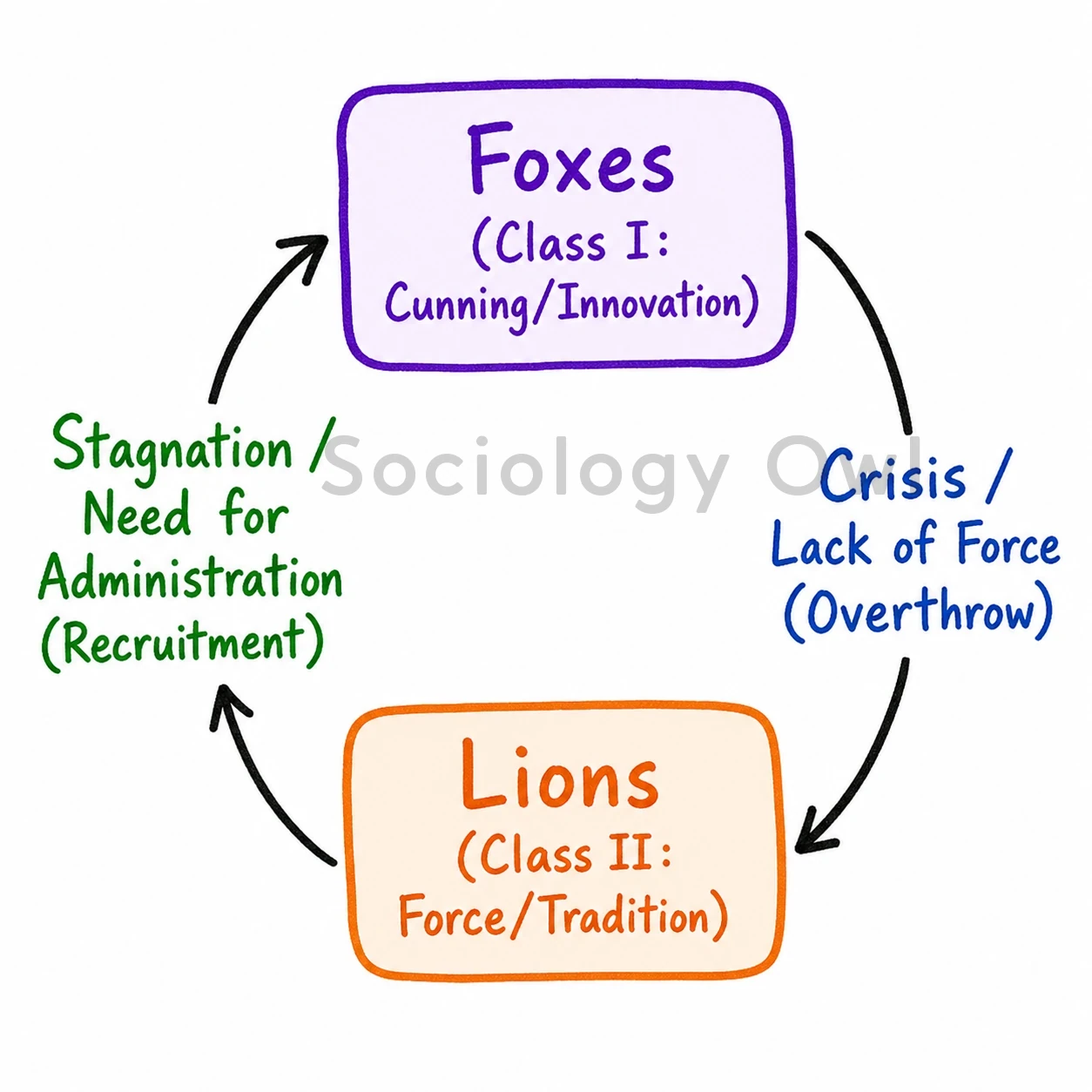
In The Mind and Society, Pareto utilizes his Theory of Residues to substantiate that Lions and Foxes differ fundamentally in their psychology and instruments of rule:
- Foxes (Class I Residues – Instinct for Combinations): Rule via cunning, diplomacy, and innovation, avoiding physical force.
- Lions (Class II Residues – Persistence of Aggregates): Rely on coercive force, traditional values, and patriotism for stability.
This essential contrast (fraud vs. force) drives the Circulation of Elites. When manipulative Foxes fail to use force during crises, Lions seize control, eventually recruiting Foxes back to manage societal complexity.
Michels’ law manifests in the centralized High Commands of modern political parties. Pareto’s Foxes resemble modern technocratic coalition-builders, while Lions parallel military juntas. Contrastingly, Robert Dahl counters this with Polyarchy, arguing modern democratic power is dispersed among competing interest groups.
Conclusion
While Marxists argue that power rests primarily on economic ownership, the frameworks of Michels and Pareto provide enduring sociological insights into the bureaucratic complexities and psychological mechanisms that sustain minority dominance in contemporary society.