Model Answer

Do you think ethnomethodology helps us in getting reliable and valid data ? Justify your answer.

Model Answers

Q: Do you think ethnomethodology helps us in getting reliable and valid data ? Justify your answer.

Question asked in UPSC Sociology 2021 Paper 1. Download our app for last 20 year question with model answers.

Model Answer:

Ethnomethodology & Its use in Sociology

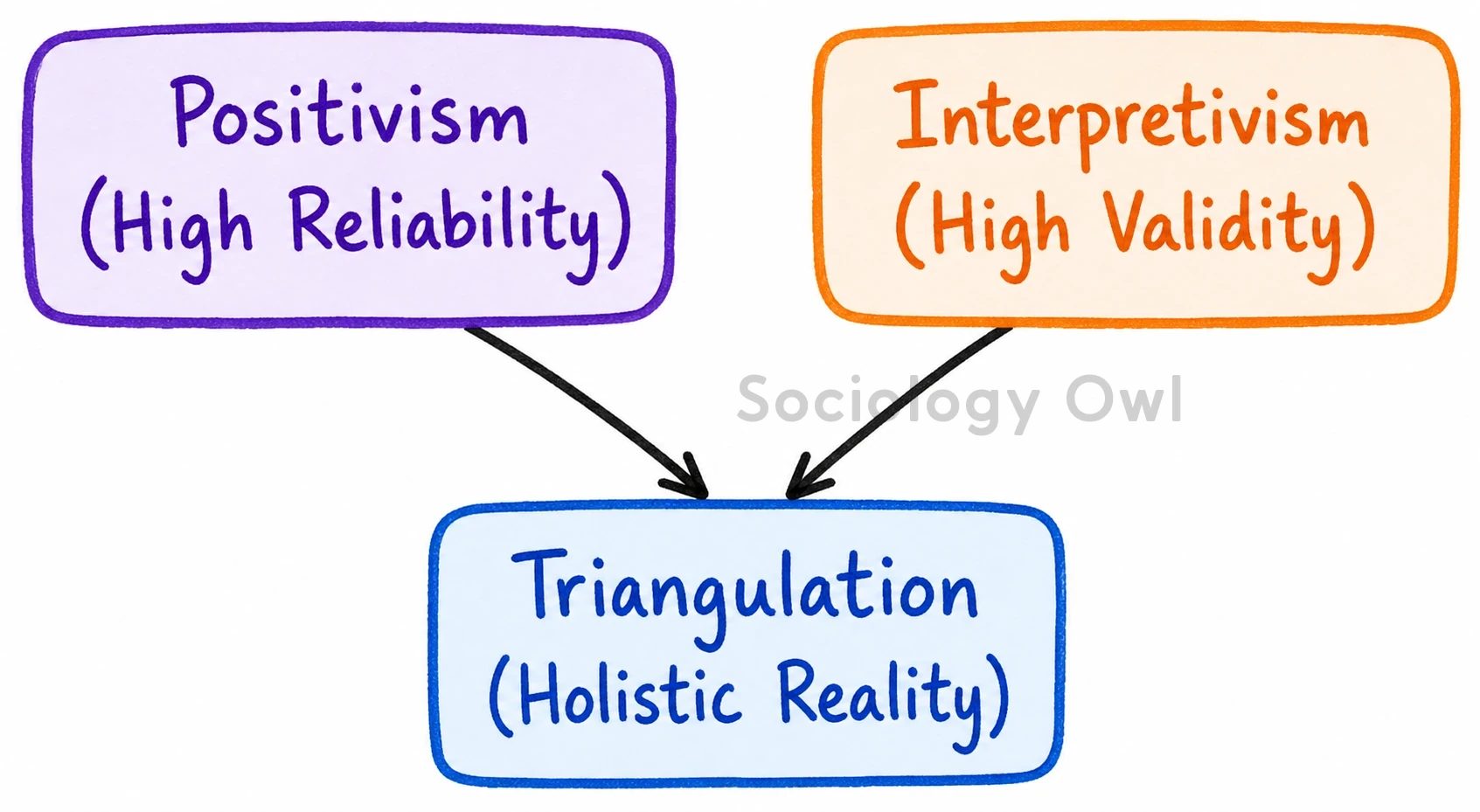
Developed by Harold Garfinkel, Ethnomethodology studies how individuals use common-sense knowledge to construct social order. Methodologically, it yields data with high interpretivist validity but struggles with positivist reliability.

Data Validity and Reliability

Data Validity (High)

Rooted in Alfred Schutz’s Phenomenology, it offers exceptional ecological validity. It captures authentic meanings from natural settings, avoiding positivist artificiality.

  • Breaching Experiments: Yield valid data by disrupting routines to expose hidden, taken-for-granted norms.
  • Social Accomplishment: Garfinkel’s study of Agnes revealed gender as a daily practice, providing deep insights into lived realities rather than imposing researcher assumptions.

Data Reliability (Low)

Positivists argue ethnomethodology lacks reliability (repeatability) because everyday interactions are highly subjective and contextual (Indexicality), making standardization impossible.

  • Methodological Critique: John Goldthorpe dismisses it as the “sociology of the trivial,” arguing its extreme micro-focus ignores macro-structural variables, limiting the generalizability of its data.

Harvey Sacks’ Conversation Analysis provides highly valid data in modern human-computer interaction studies, revealing how humans negotiate unwritten rules of social order with AI like ChatGPT.

Conclusion

While failing statistical reliability tests, ethnomethodology excels in qualitative validity. As Aaron Cicourel notes, it prevents the imposition of researcher bias, making it an invaluable tool for methodological triangulation.

Do you think ethnomethodology helps us in getting reliable and valid data ? Justify your answer. Read More »

Explain the salient features of Weberian bureaucracy.

Model Answers

Q: Explain the salient features of Weberian bureaucracy.

Question asked in UPSC Sociology 2013 Paper 1. Download our app for last 20 year question with model answers.

Model Answer:

Max Weber defined bureaucracy as an “Ideal Type” of rational-legal authority, marking a historical shift from traditional patrimonial rule to formal, predictable organizations.

Salient Features of Bureaucracy

  • Structural Hierarchy: A graded chain of command with a strict division of labour based on technical competence.
  • Rule-bound Process: Administration is governed by exhaustive written rules and files, ensuring calculability and impersonality (decisions made without personal bias).
  • Professionalization: Features merit-based recruitment, fixed salaries, career orientation, and a strict separation of private and official property.

Critiques:

  • Max Weber himself feared this system traps individuals in a soulless “Iron Cage of Rationality”.
  • Robert Merton warned of “Goal Displacement” and the rigid “Bureaucratic Personality”, where blind rule-following supersedes organizational goals.

Weberian calculability and impersonality manifest today in algorithmic gig-economies and George Ritzer’s “McDonaldization”, even as modern tech firms attempt to shift towards flexible “Adhocracies”.

Conclusion

Despite dysfunctions like rigidity and oligarchic tendencies, the Weberian model remains the foundational bedrock of organizational sociology and the inescapable structural blueprint of global capitalism.

Explain the salient features of Weberian bureaucracy. Read More »

Examine the social background of growth of indian nationalism.

Model Answers

Q: Examine the social background of growth of indian nationalism.

Question asked in UPSC Sociology 2022 Paper 2. Download our app for last 20 year question with model answers.

Model Answer:

Social Background of Indian Nationalism

The sociological understanding of this phenomenon is best encapsulated in A.R. Desai’s Marxist masterpiece, Social Background of Indian Nationalism. He argued that Indian nationalism was a product of new material conditions and structural transformations introduced by British colonial capitalism, rather than just an emotional awakening.

Colonial policies dismantled traditional structures, generating new social stratifications that fueled the movement:

  • Agrarian Class Restructuring: Ramkrishna Mukherjee noted that colonial land settlements destroyed the self-sufficient village economy, creating polarized classes of absentee landlords and landless laborers.
  • Emergence of the Intelligentsia: B.B. Misra, in The Indian Middle Classes, highlighted that Western-educated professionals, born from colonial administrative needs, experienced “relative deprivation” and became the vanguard of nationalist mobilization.
  • Cultural Rationalization: Yogendra Singh viewed socio-religious reform movements as an attempt at the Modernization of Indian Tradition, creating a cultural bedrock for national consciousness.

Nationalism was not a monolithic, top-down phenomenon.

  • The Subaltern Perspective: Critiquing Marxist and elitist views, Ranajit Guha and David Hardiman argued for an “autonomous domain” of subaltern nationalism. Peasants and tribals mobilized independently, often displaying more radical consciousness.
  • The Caste Paradox: G. Aloysius, in Nationalism without a Nation in India, argued that for lower castes, dismantling Brahminical hegemony often superseded opposing British rule, creating tension between social liberation and political nationalism.

The complex social origins of nationalism heavily shape modern Indian polity. The historical contradiction between elite leadership and subaltern masses is visible today in the ongoing political mobilization of marginalized castes demanding equitable democratic representation.

Conclusion

Indian nationalism was a deeply stratified, dialectical process. As Partha Chatterjee observes, this fragmented legacy forged the post-colonial state, where the synthesis of middle-class institutional dominance and continuous subaltern assertion dynamically defines contemporary Indian society.

Examine the social background of growth of indian nationalism. Read More »

Define the concepts of ‘Descent’ and ‘Alliance’. Differentiate between North Indian and South Indian Kinship systems with examples.

Model Answers

Q: Define the concepts of ‘Descent’ and ‘Alliance’. Differentiate between North Indian and South Indian Kinship systems with examples.

Question asked in UPSC Sociology 2023 Paper 2. Download our app for last 20 year question with model answers. 

Model Answer:

Kinship rests on two structural pillars. Descent, rooted in Structural-Functionalism (A.R. Radcliffe-Brown, Meyer Fortes), traces ancestry to form corporate kin groups, seen in India as patrilineal Vamsha or matrilineal Tarawad. Alliance, grounded in Structuralism (Claude Le9vi-Strauss), emphasizes affinal ties through the exchange of women. Louis Dumont emphasizes that in South India, alliance is not a secondary event but the foundational structure of kinship.

North versus South Indian Kinship

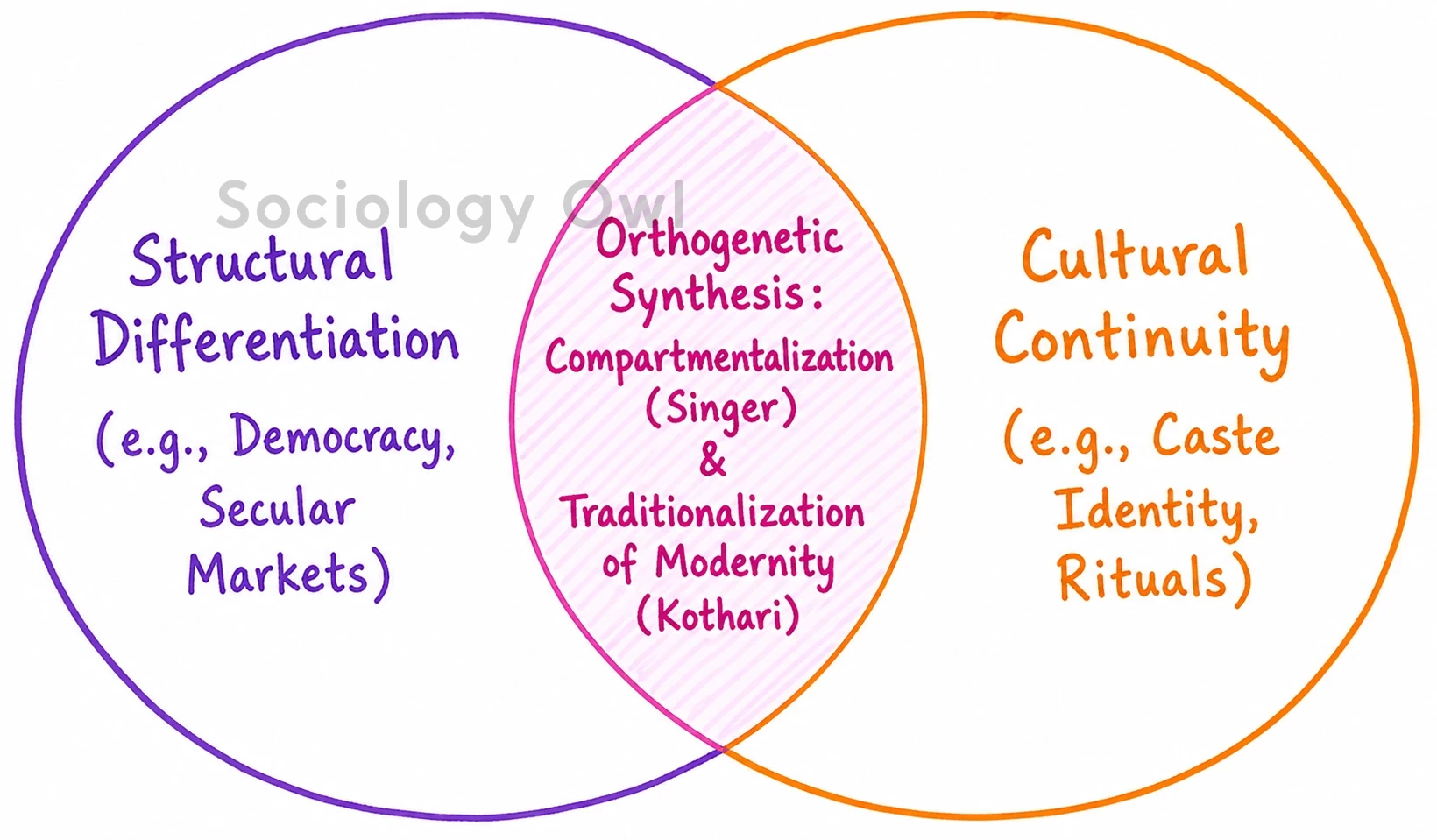
In Kinship Organization in India, Iravati Karve outlines stark contrasts between Northern (Indo-Aryan) and Southern (Dravidian) zones:

  • Marriage Rules & Exogamy: North India enforces negative rules, specifically Gotra, Sapinda, and village exogamy. South India encourages positive rules, like cross-cousin and uncle-niece marriages.
  • Terminology: Thomas Trautmann notes the Dravidian system uses classificatory terms distinguishing parallel kin from cross-cousins (potential spouses), unlike the descriptive Northern terminology.
  • Hierarchy vs. Isogamy: Northern alliances practice Hypergamy, rendering bride-givers inferior. South India favors isogamy among equals, despite historical hypergamous exceptions like the matrilineal Nambudiri-Nayar Sambandham.
  • Women’s Status: Northern women migrate to “stranger” families, facing drastic social isolation. Southern women marry into familiar kin circles, ensuring greater autonomy.

(Note: Karve identifies a “Central Zone” blending both regional practices).

Urbanization and migration are blurring rigid regional boundaries. Legally, the Hindu Marriage Act (1955) prohibits Northern Sapinda unions but accommodates Southern cross-cousin marriages as “customary law.” Furthermore, A.M. Shah observes that while household dimensions shrink, kinship alliances remain resilient, merely adapting to modern institutions like caste-based matrimonial portals.

Conclusion

While descent and alliance historically provided a rigid structural grammar for Indian society, modernization and legal reforms are transforming kinship from a system of strict obligations into dynamic, negotiated social networks.

Define the concepts of ‘Descent’ and ‘Alliance’. Differentiate between North Indian and South Indian Kinship systems with examples. Read More »

Highlight the roles and functions of civil society in a democratic system.

Model Answers

Q: Highlight the roles and functions of civil society in a democratic system.

Question asked in UPSC Sociology 2021 Paper 1. Download our app for last 20 year question with model answers.

Model Answer:

Civil society, the “Third Sector”, comprises voluntary, autonomous associations distinct from the market and government. G.W.F. Hegel conceptualized it as an intermediary sphere mediating between the family and the state.

Sociological Functions and Critiques of Civil Society

  • Public Sphere: Jørgen Habermas argues it creates a “Public Sphere” for communicative action and rational-critical debate, articulating marginalized interests.
  • Social Capital: Alexis de Tocqueville and Robert Putnam (Bowling Alone) assert that voluntary networks build “Social Capital”, fostering trust and a participatory political culture.
  • Counter-Hegemony: Antonio Gramsci viewed it as a space to contest state hegemony, preventing authoritarianism.

  • Elite Capture: Neera Chandhoke warns it is a contested terrain susceptible to bourgeois domination.
  • Uncivil Society: Non-state actors like hyper-nationalist militias can actively subvert democratic values.

Globally networked movements like Black Lives Matter and Fridays for Future exemplify civil society expanding democratic discourse and demanding accountability.

Conclusion

Despite vulnerabilities, a vibrant civil society remains the “oxygen of democracy” (Larry Diamond), checking majoritarian tyranny and fortifying the socio-political fabric.

Highlight the roles and functions of civil society in a democratic system. Read More »

Examine ethnomethodological and phenomenological perspectives as critique of positivism

Model Answers

Q: Examine ethnomethodological and phenomenological perspectives as critique of positivism

Question asked in UPSC Sociology 2017 Paper 1. Download our app for last 20 year question with model answers.

Model Answer:

While Positivism (Emile Durkheim) treats society as a set of measurable “social facts,” Phenomenology and Ethnomethodology emerged as radical micro-sociological critiques, arguing that social reality is an inherently subjective construct.

Critiques of Positivism

Phenomenological Critique:

  • Subjective Meaning: Alfred Schutz argued that individuals construct reality using shared “typifications” (mental categories) and “intersubjectivity.”
  • Rejection of Objectivity: Positivism fails by ignoring the subjective “lifeworld,” falsely reducing human consciousness to mere quantifiable variables rather than understanding meanings.

Ethnomethodological Critique:

  • Order as an Accomplishment: Harold Garfinkel challenged positivism’s search for external, universal laws. Using “breaching experiments,” he proved social order is an ongoing, everyday accomplishment.
  • Contextual Reality: Concepts like “indexicality” (meaning depends on context) and “reflexivity” render positivist attempts at creating generalized, objective social laws impossible.

  • Application: Aaron Cicourel’s study on juvenile justice demonstrates that positivist crime statistics are not objective facts, but subjective constructs resulting from police typifications.
  • Counter-Critique: Marxists and Structuralists argue these micro-perspectives overcompensate, ignoring macro-objective realities like class inequality and institutional power dynamics.

Conclusion

While these perspectives successfully expose the limits of pure positivism, modern sociology demands a synthesis. Anthony Giddens’ Structuration Theory achieves this by effectively reconciling objective macro-structures with subjective micro-agency.

Examine ethnomethodological and phenomenological perspectives as critique of positivism Read More »

Sociology Optional 2023 Paper 1 Solution

2023 Paper 1

Sociology Optional 2023 Paper 1

Our UPSC Sociology Optional 2023 Paper 1 webpage provides a comprehensive collection of model answers to questions from this examination. This resource is designed to help aspirants understand the depth and breadth of responses expected in the UPSC Sociology Optional Paper 1. Download Question Paper PDF.

Download Sociology Optional 2023 Paper 1 PDF

Click on Question to see Model Answer
खण्ड – A / SECTION – A

Q1. Answer the following questions in about 150 words each : 10×5-50 

(a) What is the distinctiveness of the feminist method of social research? Comment. 10 Marks
(b) Discuss the relationship between sociology and political science. 10 Marks
(c) How does the dramaturgical perspective enable our understanding of everyday life? 10 Marks
(d) Is reference group theory a universally applicable model? Elucidate. 10 Marks
(e) Do you think that the boundary line between ethnicity and race is blurred? Justify your answer. 10 Marks

Q2. (a) What, according to Robert Michels, is the iron law of oligarchy? Do lions and foxes in Vilfredo Pareto’s theory, essentially differ from each other? Substantiate. 20 Marks
(b) What is historical materialism? Examine its relevance in understanding contemporary societies. 20 Marks
(c) What are variables? How do they facilitate research? 10 Marks

Q3. (a) What are the characteristics of scientific method? Do you think that scientific method in conducting sociological research is foolproof? Elaborate. 10 Marks
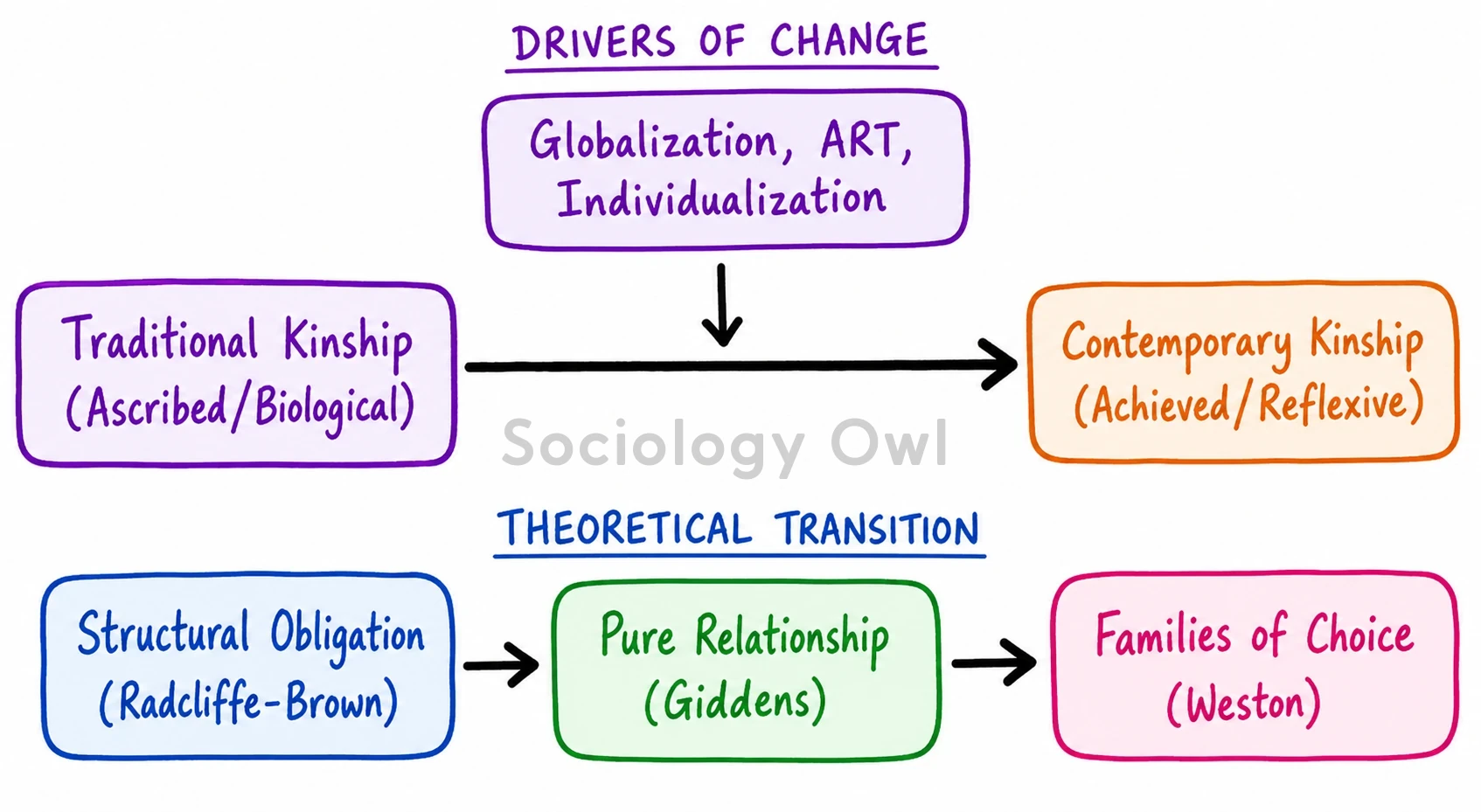
(b) How do you assess the changing patterns in kinship relations in societies today? 20 Marks
(c) Is Weber’s idea of bureaucracy a product of the historical experiences of Europe? Comment. 10 Marks

Q4. (a) Do you think that common sense is the starting point of social research? What are its advantages and limitations? Explain. 20 Marks
(b) How is poverty a form of social exclusion? Illustrate in this connection the different dimensions of poverty and social exclusion. 20 Marks
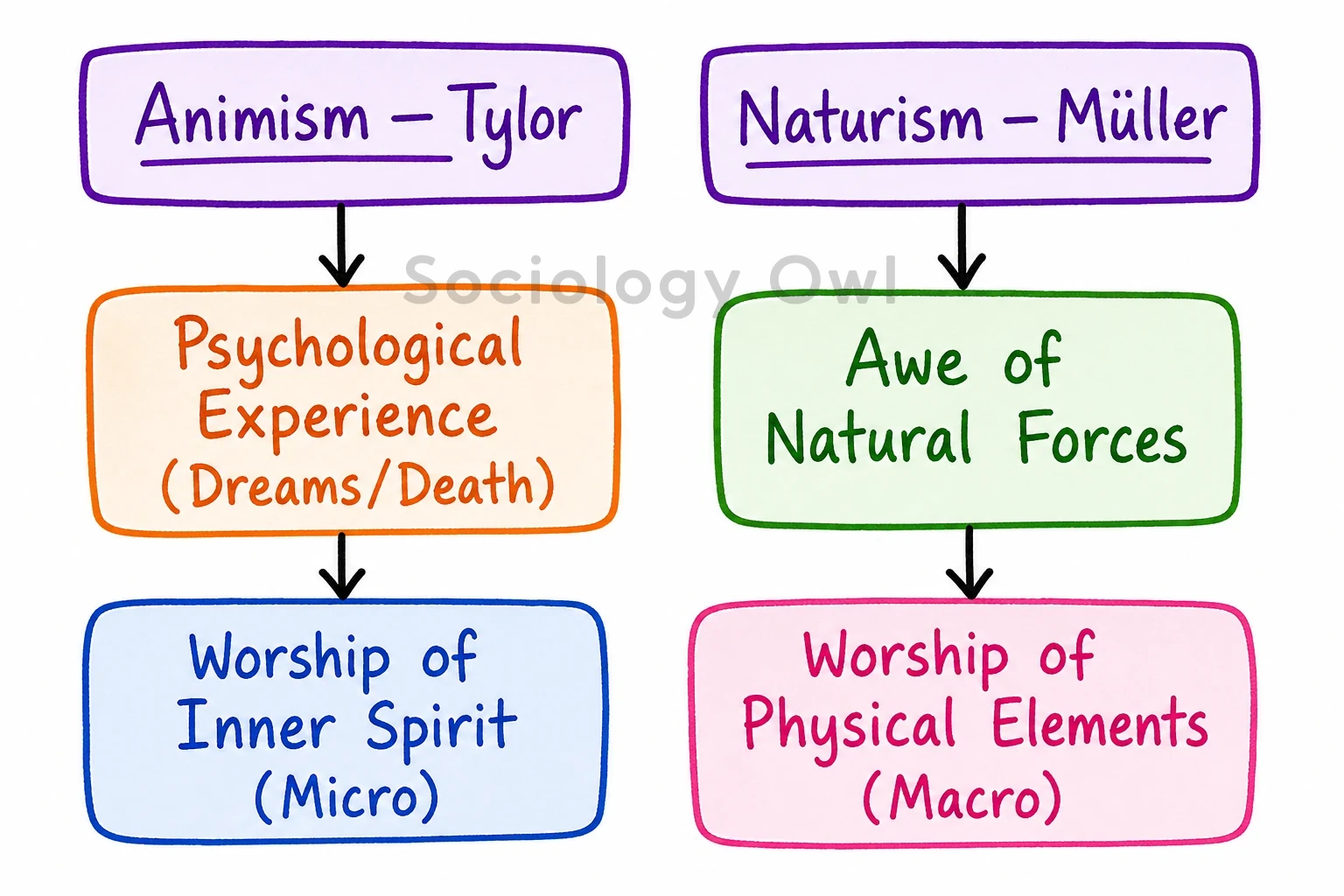
(c) Highlight the differences and similarities between totemism and animism. 10 Marks

खण्ड – B / SECTION — B 

Q5. Answer the following questions in about 150 words each 10×5= 50 

(a) Examine the relevance of corporate social responsibility in a world marked by increasing environmental crises. 10 Marks
(b) How is civil society useful in deepening the roots of democracy? 10 Marks
(c) What functions does religion perform in a pluralistic society? 10 Marks
(d) Analyze critically David Morgan’s views on family practices. 10 Marks
(e) Does women’s education help to eradicate patriarchal discriminations? Reflect with illustrations. 10 Marks

Q6. (a) What are the different dimensions of qualitative method? Do you think that qualitative method helps to gain a deeper sociological insight? Give reasons for your answer. 20 Marks

(b) Explain Max Weber’s theory of social stratification. How does Weber’s idea of class differ from that of Marx? 20 Marks
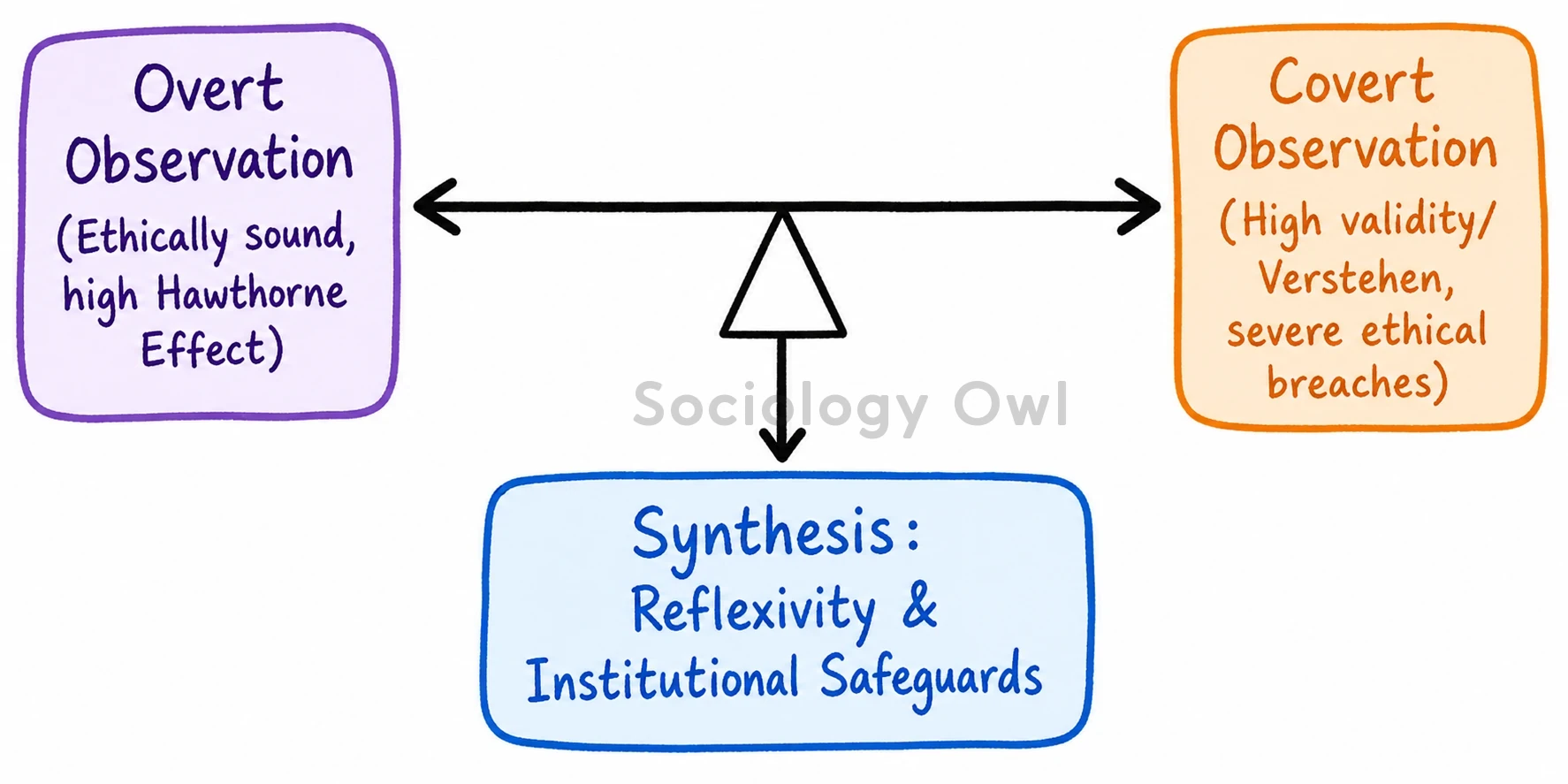
(c) What are the ethical issues that a researcher faces in making use of participant observation as a method of collecting data? Explain. 10 Marks

Q7. (a) Explain how economic globalization has brought changes in the patterns of employment in the 21st century. 20 Marks
(b) Do you think that the social media has brought significant changes in the forms of protest? Argue your case. 20 Marks
(c) Assess critically A. G. Frank’s theory of development of underdevelopment’. 10 Marks

Q8. (a) What is Taylorism? Analyze its merits and demerits. 20 Marks
(b) What are new religious movements? Elaborate emphasizing their forms and orientations. 20 Marks
(c) Examine the role of science and technology in addressing age-old taboos and superstitions. 10 Marks

Sociology Optional 2023 Paper 1 Solution Read More »

What are the various forms of untouchability in India ? Critically examine.

Model Answers

Q: What are the various forms of untouchability in India ? Critically examine.

Question asked in UPSC Sociology 2021 Paper 2. Download our app for last 20 year question with model answers.

Model Answer:

Type of Untouchability in India

Untouchability, rooted in notions of purity-pollution, persists despite de jure abolition via Article 17 and the PoA Act (1989). It has mutated from overt traditional bans into covert modern exclusions.

Traditional and Modern Exclusions

  • Ideology vs. Economics: Spatial segregation persists. While Louis Dumont views this ideologically, Joan Mencher argues untouchability historically ensured a subjugated, cheap agricultural labor force.
  • Intersectionality: Sharmila Rege observes Dalit women face a “triple burden,” while Uma Chakravarti notes Brahmanical Patriarchy uses sexual violence to brutally police caste boundaries.
  • Market-Mediated Bias: Sukhadeo Thorat’s CV audit studies reveal subtle hiring discrimination against Dalit applicants in urban private sectors.
  • Intra-Dalit Divisions: B.R. Ambedkar’s framework of Graded Inequality explains how untouchability is paradoxically practiced even among marginalized castes.

Rising violence against Dalits (NCRB data) reflects dominant-caste backlash against subaltern assertion. Additionally, Gopal Guru highlights an invisible “architecture of discrimination” in modern universities, tragically epitomized by institutional suicides like Rohith Vemula’s.

Conclusion

Untouchability has shifted from explicit ritual practice to subtle structural discrimination. Achieving genuine equality demands dismantling the caste-class-patriarchy nexus and realizing B.R. Ambedkar’s vision in Annihilation of Caste.

What are the various forms of untouchability in India ? Critically examine. Read More »

Q. Modern families have not just become nuclear and neo-local, but also filiocentric. How do you explain this trend?

Q. Modern families have not just become nuclear and neo-local, but also filiocentric. How do you explain this trend?

UPSC Sociology 2024 Paper 1

Model Answer:

Modern families are transitioning from gerontocratic (elder-dominated) extended units to neo-local (independent households) and nuclear structures. Concurrently, they have become filiocentric—placing children at the center of the family’s power dynamics and emotional economy, prioritizing their development over adult leisure.

Sociological Drivers of Filiocentrism

Industrialization & Demography: William J. Goode (World Revolution and Family Patterns) argued industrial capitalism demands a mobile, neo-local nuclear family. Consequent lower fertility rates allow parents to concentrate vast resources into fewer children.

Evolution of Childhood: Philippe Ariès (Centuries of Childhood) highlighted that modernity transformed childhood from a phase of miniature adulthood into a distinct, protected stage requiring intense adult supervision.

Class Reproduction: Through a conflict lens, Pierre Bourdieu argues modern parents heavily invest in children’s education and extracurriculars to accumulate cultural capital, securing their child’s future class status in a hyper-competitive capitalist economy.

Emotional Anchoring: While Talcott Parsons emphasized the family’s functional role in emotional stabilization, Ulrich Beck and Elisabeth Beck-Gernsheim (The Normal Chaos of Love) argue that amid high divorce rates and fragile adult relationships in late modernity, “the child is the final anchor” for unconditional emotional stability.

Critical Analysis and Context

Class Disparities: Annette Lareau contrasts middle-class “concerted cultivation” (intense, child-centric scheduling) with working-class “accomplishment of natural growth,” demonstrating that intense filiocentrism is largely an upper/middle-class privilege.

Psychological Toll: Extreme focus breeds “Helicopter Parenting”, which places immense performance pressure on children while contributing to the institutionalization of childhood.

China’s “Little Emperor Syndrome,” born from the One-Child Policy intersecting with neo-local urbanization, exemplifies extreme global filiocentrism where the entire household’s consumption and goals revolve entirely around a single child.

Conclusion

While the shift towards neo-local and filiocentric families reflects the adaptive capacity of kinship to late modernity, it profoundly transforms children from traditional economic assets into highly precious emotional assets, introducing unprecedented care alongside modern anxieties.

Q. Modern families have not just become nuclear and neo-local, but also filiocentric. How do you explain this trend? Read More »

Discuss the importance and sources of hypothesis in social research.

Model Answers

Q: Discuss the importance and sources of hypothesis in social research.

Question asked in UPSC Sociology 2020 Paper 1. Download our app for last 20 year question with model answers.

Model Answer:

Importance of Hypothesis in Social Research

Understanding the Hypothesis in Sociology

Goode and Hatt define a hypothesis as a “shrewd guess… provisionally adopted to explain observed facts.” It forms the bedrock of Positivist sociology and the Deductive method, linking abstract theory to empirical reality.

Importance of Hypothesis

Falsifiability: As Karl Popper notes, a good hypothesis allows for Falsification, ensuring scientific rigor and testability.

Objectivity: It restricts subjective bias, aiding Max Weber’s ideal of Value Neutrality by focusing the study.

Theory Building: It is crucial for formulating Robert K. Merton’s Middle-Range Theories. For example, Emile Durkheim’s hypothesis in Suicide empirically linked social solidarity to suicide rates.

Sources of Hypothesis

Existing Theory: Deriving specific testable variables from macro-theories (e.g., Marxism).

Observation: Merton’s concept of the “Serendipity Pattern,” where anomalous data sparks new hypotheses.

Culture and Folk Wisdom: Testing sociological validity of cultural common sense.

Previous Research: Literature reviews identifying empirical gaps.

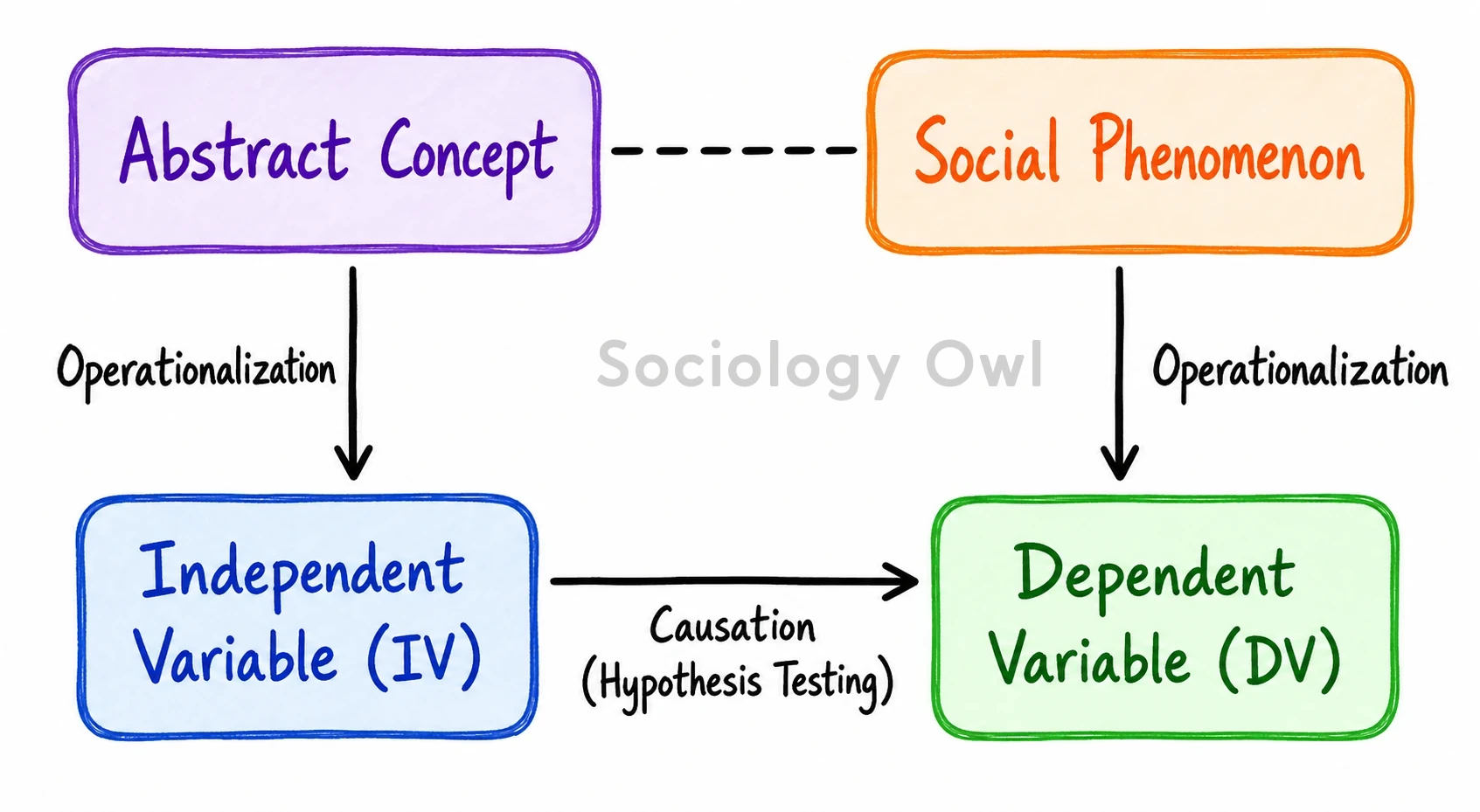
Modern researchers often apply classical theories to formulate contemporary hypotheses, such as hypothesizing that algorithmic surveillance (independent variable) increases workplace Alienation (dependent variable) among gig economy workers.

Conclusion

While positivists rely on a priori hypotheses, Interpretivists reject them, advocating instead for Glaser and Strauss’s Grounded Theory, where hypotheses emerge inductively. Nonetheless, hypothesis formulation remains a vital tool for structured, empirical sociological inquiry.

Discuss the importance and sources of hypothesis in social research. Read More »