Model Answer

Social stratification is claimed to contribute to maintenance of social order and stability in society. Critically assess.

Model Answers

Q: Social stratification is claimed to contribute to maintenance of social order and stability in society. Critically assess.

Question asked in UPSC Sociology 2022 Paper 1. Download our app for last 20 year question with model answers.

Model Answer:

Social Stratification :  Social Order & Stability

Social stratification refers to the hierarchical arrangement of individuals or groups within a society based on factors such as socioeconomic status, race, and gender. It is a universal phenomenon that exists in all societies, and it is often justified as necessary for maintaining social order and stability. However, this claim has been critically assessed by various sociological thinkers who have presented different perspectives on the role of social stratification in society.

Functionalist theorists, such as Talcott Parsons and Kingsley Davis, argue that social stratification serves essential functions for society:

1. Motivation: Stratification encourages individuals to strive for higher positions, thus promoting social mobility and productivity. This, in turn, contributes to overall societal progress and stability.

2. Role allocation: It helps in efficiently allocating individuals to different social roles based on their abilities and qualifications, ensuring that the most capable individuals occupy the most important positions.

3. Social integration: Shared values and norms associated with different strata can foster a sense of collective identity and social cohesion.

4. Reward system: Stratification provides a system of rewards that incentivizes individuals to perform their roles effectively, thereby maintaining social order.

However, this functionalist perspective has been critiqued by conflict theorists like Karl Marx and Max Weber:

1. Exploitation and inequality: Stratification often leads to the exploitation of lower classes by the elite, perpetuating social inequalities and creating tensions rather than stability.

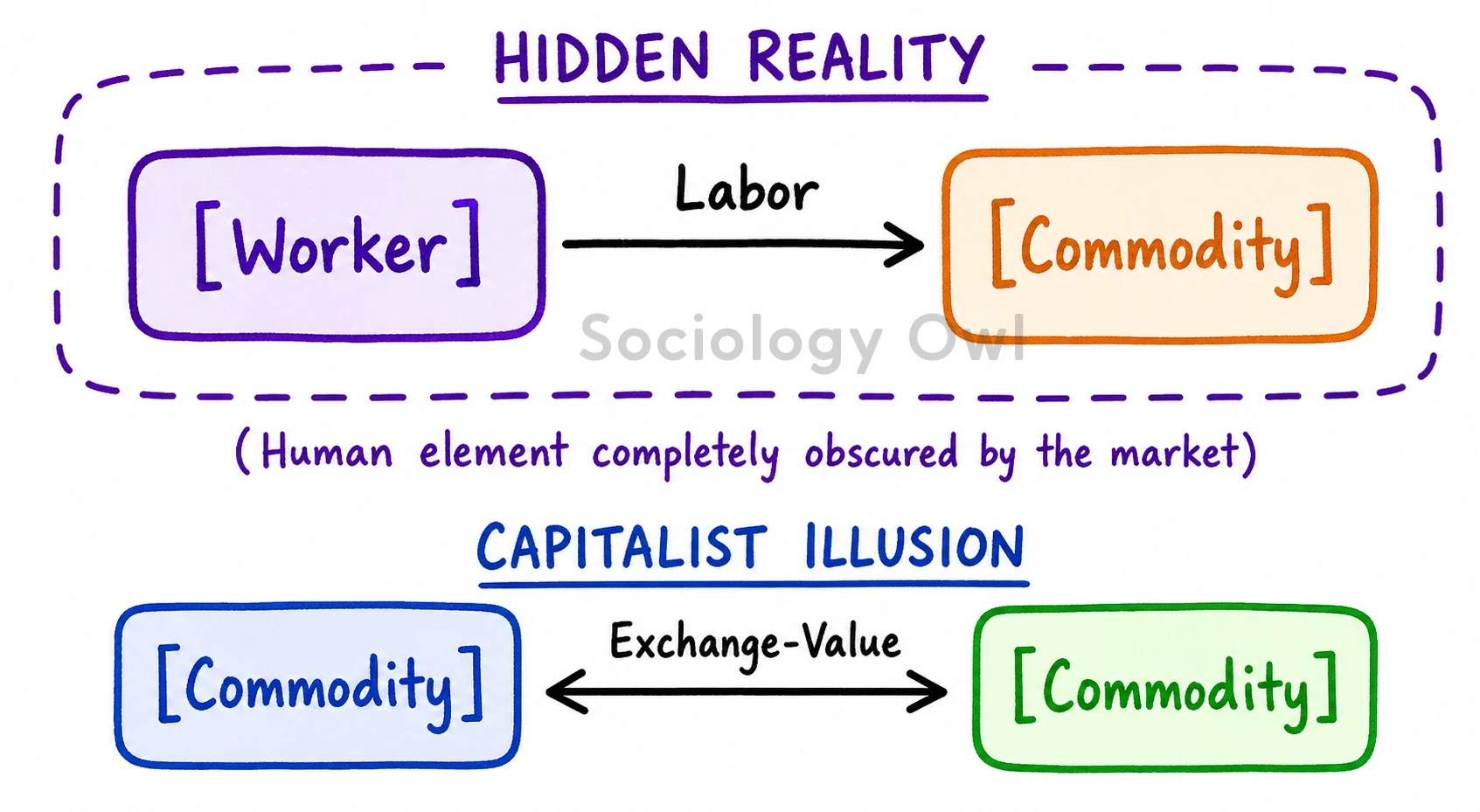
2. False consciousness: Marx argued that the ruling class uses ideology to maintain their dominance, creating a false sense of order that masks underlying conflicts.

3. Power dynamics: Weber emphasized that stratification is not just about economics but also involves status and power, which can lead to social conflicts and instability.

4. Social exclusion: Stratification can result in the marginalization of certain groups, leading to social fragmentation rather than cohesion.

Empirical evidence suggests a mixed picture. While some degree of stratification may provide structure and motivation, excessive inequality has been linked to social unrest, as seen in historical revolutions and contemporary protest movements.

In conclusion, while social stratification may contribute to social order in some ways, its role in maintaining stability is complex and contestable. A more nuanced understanding recognizes both the functional aspects of stratification and its potential to generate conflict and instability, especially when inequalities become too pronounced.

Social stratification is claimed to contribute to maintenance of social order and stability in society. Critically assess. Read More »

Write a note on global trends of secularization.

Model Answers

Q: Write a note on global trends of secularization.

Question asked in UPSC Sociology 2022 Paper 1. Download our app for last 20 year question with model answers.

Model Answer:

Global Trends of Secularization

Global secularization refers to the worldwide trend of declining religious influence in various spheres of social life. This process has been observed across many societies, though its pace and extent vary significantly.

Key aspects of global secularization include:

1. Institutional differentiation: Religious institutions have increasingly separated from other social institutions like education, healthcare, and governance. This has led to a reduction in religious authority over public life.

2. Decline in religious practice: Many countries have witnessed decreasing rates of religious attendance, particularly in Western Europe and parts of North America. For instance, church attendance in the UK has dropped from 50% in the 1950s to less than 10% today.

3. Privatization of religion: Religion has increasingly become a personal matter rather than a public one, with faith being viewed as an individual choice rather than a societal obligation.

4. Rise of secular alternatives: Non-religious worldviews and ethical systems have gained prominence, offering alternatives to traditional religious beliefs and practices.

5. Secularization of education: Many countries have moved towards secular education systems, reducing the role of religious instruction in schools.

It’s important to note that secularization is not universal or irreversible. Some regions, such as parts of the Middle East and sub-Saharan Africa, have experienced religious resurgence.

The process of secularization is complex and multifaceted, influenced by factors such as modernization, urbanization, and globalization. While the trend is evident in many parts of the world, its future trajectory remains a subject of ongoing sociological debate.

Write a note on global trends of secularization. Read More »

Discuss how “environmentalism” can be explained with new social movements approach.

Model Answers

Q: Discuss how “environmentalism” can be explained with new social movements approach.

Question asked in UPSC Sociology 2022 Paper 1. Download our app for last 20 year question with model answers.

Model Answer:

Environmentalism Explained Through New Social Movements Approach

Environmentalism can be effectively explained through the lens of new social movements (NSMs), which emerged in the 1960s and 1970s as a distinct form of collective action. This approach provides valuable insights into the nature, goals, and tactics of environmental movements.

Key features of NSMs that apply to environmentalism include:

1. Focus on non-material goals: Environmental movements prioritize quality of life issues, ecological preservation, and sustainable development rather than purely economic concerns.

2. Identity-based mobilization: Environmentalists often form collective identities based on shared values and concerns for the planet, transcending traditional class-based divisions.

3. Decentralized and network-based organization: Many environmental groups operate through loose, horizontal networks rather than rigid hierarchical structures.

4. Use of unconventional tactics: Environmental activists frequently employ direct action, civil disobedience, and symbolic protests to raise awareness and influence policy.

5. Emphasis on cultural and lifestyle changes: Environmentalism promotes alternative lifestyles and consumption patterns, challenging dominant societal norms.

6. Critique of technocratic society: Environmental movements often resist the encroachment of state and market forces on nature and community life.

7. Global perspective with local action: Environmental movements often address global issues like climate change while encouraging local, community-based initiatives and solutions.

Theorists like Alberto Melucci and Alain Touraine have highlighted how NSMs like environmentalism construct new collective identities and challenge dominant cultural codes. For example, the concept of “ecological citizenship” has emerged as a new form of identity linking individual behavior to global environmental concerns.

The NSM approach helps explain environmentalism’s focus on personal responsibility, its emphasis on grassroots action, and its ability to mobilize diverse groups around shared ecological concerns. It also illuminates how environmental movements have shaped public discourse and policy on issues like climate change, biodiversity loss, and sustainable development.

Discuss how “environmentalism” can be explained with new social movements approach. Read More »

Explain the emerging challenges in establishing gender equality in the informal sector.

Model Answers

Q: Explain the emerging challenges in establishing gender equality in the informal sector.

Question asked in UPSC Sociology 2021 Paper 1. Download our app for last 20 year question with model answers.

Model Answer:

Gender Equality: emerging challenges in informal sector

The informal sector, which includes unregulated and often precarious work, poses significant challenges to achieving gender equality. Women are overrepresented in this sector, facing unique obstacles that hinder their empowerment and perpetuate gender disparities. This answer will explore the key challenges in establishing gender equality within the informal economy.

Challenges in Establishing Gender Equality

1. Limited legal protection and social security: Informal sector workers, predominantly women, lack access to legal rights, labor protections, and social security benefits. This leaves them vulnerable to exploitation, low wages, and poor working conditions. Without formal contracts or legal recourse, women struggle to advocate for fair treatment and equal pay.

2. Occupational segregation and gender stereotypes: Women in the informal sector are often confined to traditionally “feminine” roles, such as domestic work, caregiving, and low-skill manufacturing. These jobs are undervalued and underpaid, reinforcing gender stereotypes and limiting women’s opportunities for advancement. Breaking these occupational barriers is challenging without access to education, training, and resources.

3. Lack of collective bargaining and representation: Informal sector workers have limited opportunities to organize and engage in collective bargaining. This is particularly challenging for women who face additional constraints, such as time poverty and social norms that discourage their participation in unions or associations. Without collective representation, women have little power to negotiate for better wages, working conditions, and gender-responsive policies.

4. Inadequate access to credit and resources: Women in the informal sector often lack access to formal credit, financial services, and productive resources. This hinders their ability to invest in their businesses, improve their skills, and achieve economic independence. Gender biases in lending practices and property rights further disadvantage women, perpetuating the cycle of poverty and inequality.

5. Double burden and unpaid care work: Women in the informal sector often bear the double burden of paid work and unpaid care responsibilities. The lack of affordable childcare, eldercare, and social services forces women to juggle multiple roles, limiting their time and energy for paid work. This reinforces gender inequalities and restricts women’s economic participation and advancement.

6. Invisibility and lack of recognition: Women’s work in the informal sector is often invisible and unrecognized, both socially and in official statistics. This lack of visibility makes it difficult to design and implement targeted policies and interventions to address gender inequalities. Without accurate data and recognition of women’s contributions, their needs and challenges remain unaddressed.

Establishing gender equality in the informal sector requires a multi-faceted approach that extends legal protections, challenges stereotypes, supports collective action, improves access to resources, invests in care infrastructure, and makes women’s work visible. Addressing these challenges is crucial for creating a more inclusive and equitable informal economy.

Explain the emerging challenges in establishing gender equality in the informal sector. Read More »

Explain the growing salience of ethnicity in the contemporary world with illustrations.

Model Answers

Q: Explain the growing salience of ethnicity in the contemporary world with illustrations.

Question asked in UPSC Sociology 2021 Paper 1. Download our app for last 20 year question with model answers.

Model Answer:

The Growing Salience of Ethnicity

The growing salience of ethnicity in the contemporary world can be attributed to various factors such as globalization, migration, and the rise of identity politics. Ethnicity refers to the social classification of people based on shared cultural, linguistic, and historical experiences. In recent years, ethnicity has gained prominence as a significant social and political force, shaping the lives of individuals and communities across the globe.

Sociological thinkers have provided valuable insights into the reasons behind the increasing importance of ethnicity in today’s world. This essay will discuss the theories of Emile Durkheim, Max Weber, and Pierre Bourdieu to explain the growing salience of ethnicity in contemporary society.

Emile Durkheim: Social Solidarity and Ethnicity

Emile Durkheim, a founding figure in sociology, emphasized the importance of social solidarity in maintaining social order and cohesion. According to Durkheim, societies are held together by shared values, beliefs, and practices that create a collective conscience. Ethnicity can be seen as a source of social solidarity, as it provides individuals with a sense of belonging and identity.

In the contemporary world, the growing salience of ethnicity can be attributed to the need for social solidarity in the face of rapid social change, globalization, and increasing cultural diversity. Ethnic groups can provide individuals with a sense of stability and support, helping them navigate the complexities of modern life.

Max Weber: Ethnicity as a Basis for Social Stratification

Max Weber, another influential sociologist, argued that social stratification is based on three dimensions: class, status, and power. Ethnicity can be a significant factor in determining an individual’s position within this stratification system.

In the contemporary world, ethnicity has become increasingly important as a basis for social stratification due to factors such as migration and the rise of identity politics. Ethnic minorities often experience social and economic disadvantages, leading to the formation of distinct social classes based on ethnicity. The growing salience of ethnicity can be seen as a response to these inequalities, as individuals and communities seek to assert their ethnic identity and challenge existing power structures.

Pierre Bourdieu: Ethnicity and Cultural Capital

Pierre Bourdieu, a prominent sociologist, introduced the concept of cultural capital to explain how individuals and groups use cultural resources to gain social advantages. Cultural capital refers to the knowledge, skills, and cultural competencies that individuals acquire through socialization and education.

Ethnicity can be a significant source of cultural capital, as it provides individuals with access to unique cultural resources and networks. In the contemporary world, the growing salience of ethnicity can be attributed to the increasing importance of cultural capital in determining social and economic success. Ethnic groups can use their cultural capital to gain recognition, resources, and political power, contributing to the growing prominence of ethnicity in contemporary society.

Conclusion

The growing salience of ethnicity in the contemporary world can be explained through the theories of Emile Durkheim, Max Weber, and Pierre Bourdieu. Ethnicity serves as a source of social solidarity, a basis for social stratification, and a form of cultural capital, shaping the lives of individuals and communities across the globe.

As the world continues to experience rapid social change, globalization, and increasing cultural diversity, the importance of ethnicity as a social and political force is likely to continue to grow.

Explain the growing salience of ethnicity in the contemporary world with illustrations. Read More »

What are the sociological reasons and implication of “reverse migration” during the recent pandemic in India ?

Model Answers

Q: What are the sociological reasons and implication of “reverse migration" during the recent pandemic in India ?

Question asked in UPSC Sociology 2021 Paper 2. Download our app for last 20 year question with model answers.

Model Answer:

Reverse Migration and its Sociological Reasons

Reverse migration, especially as seen during the COVID-19 pandemic, refers to the movement of people from urban centers back to their rural homes. This phenomenon has been observed worldwide, but it was particularly dramatic in India, where millions of urban migrant workers returned to their home villages as a result of the pandemic.

Sociological Reasons for Reverse Migration

1. Loss of Livelihood: With nationwide lockdowns implemented to curb the spread of the virus, many businesses, particularly in the informal sector, had to shut down. This led to widespread job losses, primarily affecting migrant workers in cities. Left without a source of income, these workers had little choice but to return to their home villages.

2. Lack of Social Security: Many migrant workers in India don’t have access to social security benefits like unemployment insurance, health coverage, or housing support. This lack of a safety net made it difficult for them to survive in the cities during the pandemic.

3. Fear and Uncertainty: The fear of the unknown, particularly concerning health and the ability to meet basic needs, also contributed to this reverse migration. In many cases, migrants felt safer returning to their home villages, where they had a social support network and potentially better access to food and shelter.

4. Inadequate Living Conditions: The living conditions of many migrant workers in urban areas are often overcrowded and lack basic amenities. Such conditions are not conducive to social distancing or self-isolation, increasing the risk of contracting the virus.

5. Emotional Connect and Cultural Factors: For many migrants, the home village represents a safe haven with a strong emotional connect. In times of crisis, the desire to be close to family and in familiar surroundings is intensified.

Implications of Reverse Migration

1. Economic Impact: The sudden outflux of workers has disrupted the economies of urban centers. Industries such as construction, manufacturing, and services, which rely heavily on migrant labor, were particularly hard-hit.

2. Rural Pressure: The return of millions of migrants to rural areas has put additional pressure on these regions’ infrastructure and resources. These areas often lack the health facilities to deal with a health crisis, and an increased population only exacerbates this issue.

3. Spread of Virus: While the intention of the lockdown was to limit the spread of the virus, the mass movement of people from cities to villages potentially facilitated its spread across regions.

4. Social Impact: The pandemic and the resulting migration have brought the plight of migrant workers into the spotlight, highlighting issues like income inequality, poor living conditions, and lack of social security.

5. Policy Challenges: The reverse migration has posed significant policy challenges. It has underscored the need for comprehensive social security measures that cover all workers, regardless of where they live and work. Additionally, it has raised questions about how to manage large-scale internal migration, both in crisis and normal times.

6. Potential Opportunities: Some see potential in this reverse migration, with the possibility of harnessing returning workers’ skills to improve rural economies. It could potentially lead to a more balanced regional development if managed correctly.

In conclusion, reverse migration during the pandemic has brought forth significant sociological and economic challenges and opportunities. It has highlighted the urgency for inclusive social protection systems, better management of internal migration, and the need for development policies that balance rural and urban growth.

What are the sociological reasons and implication of “reverse migration” during the recent pandemic in India ? Read More »

Comment on the role of co-operatives in rural development.

Model Answers

Q: Comment on the role of co-operatives in rural development.

Question asked in UPSC Sociology 2021 Paper 2. Download our app for last 20 year question with model answers.

Model Answer:

Co-operatives and their Role in Rural Development

A cooperative, also known as a co-op, is an autonomous association of persons united voluntarily to meet their common economic, social, and cultural needs and aspirations through a jointly-owned and democratically-controlled enterprise. Cooperatives are based on the values of self-help, self-responsibility, democracy, equality, equity, and solidarity. In the tradition of their founders, cooperative members believe in the ethical values of honesty, openness, social responsibility, and caring for others.

Role of Co-operatives in Rural Development

1. Economic Empowerment: Co-operatives contribute to rural development by fostering economic empowerment. They help in mobilizing local resources and channeling them into productive activities. This can be seen in agricultural co-operatives, where members pool their resources to buy seeds, fertilizers, and machinery, resulting in cost savings and increased productivity. The Amul co-operative in India is a prime example of this, having transformed the lives of millions of dairy farmers.

2. Social Inclusion: Co-operatives often target marginalized and vulnerable sections of society, promoting social inclusion. In the context of India, this often means including women, lower caste individuals, and tribal communities. They offer these groups opportunities to participate in economic activities and decision-making processes, thereby contributing to a more equitable distribution of wealth and power.

3. Sustainable Development: Co-operatives can promote sustainable development. They often encourage practices that are more environmentally friendly and sustainable, such as organic farming or the use of renewable energy sources. This is particularly important in rural India, where the impact of climate change can have significant effects on farming and other rural occupations.

4. Skill Development: Co-operatives also contribute to skill development. By providing members with training and education, they enable individuals to develop new skills and improve their capacity to generate income. This can lead to increased economic stability and resilience in rural communities.

5. Community Building: Co-operatives play a crucial role in fostering community cohesion and collective action. They are based on principles of mutual aid and solidarity, which can strengthen social bonds and contribute to a sense of belonging among members.

6. Decentralization of Power: Co-operatives, by their very nature, are participatory and democratic institutions. They decentralize economic power and decision-making, which is a critical factor for promoting local governance and democratic practices. In a country like India, where there is a significant rural-urban divide, co-operatives can be instrumental in giving voice to rural populations.

In conclusion, co-operatives are integral to rural development in India, offering economic opportunities, promoting social inclusion, fostering sustainable practices, facilitating skill development, building communities, and decentralizing power. They represent a grassroots, bottom-up approach to development, which is particularly effective in addressing the unique challenges faced by rural communities.

Comment on the role of co-operatives in rural development. Read More »

Urban slums are sites of social exclusion – explain.

Model Answers

Q: Urban slums are sites of social exclusion - explain.

Question asked in UPSC Sociology 2021 Paper 2. Download our app for last 20 year question with model answers.

Model Answer:

Urban Slums and Social Exclusion

Urban slums in India represent a stark illustration of social exclusion, a complex process by which certain groups or individuals are relegated to the fringes of society, systematically marginalized, and denied access to the resources, opportunities, and rights that are readily available to others. This phenomenon of social exclusion is inherently multidimensional, affecting various facets of life including economic stability, social integration, cultural recognition, and political participation.

In the intricate social fabric of India, urban slums are not merely clusters of inadequate housing but are symptomatic of deeper societal issues. They are emblematic of the entrenched poverty that grips a significant portion of the urban population, often characterized by overcrowded living conditions, precarious informal structures, and a lack of secure tenure. The residents of these slums face numerous challenges that stem from their exclusion:

Economic Exclusion

Slum dwellers in India are predominantly from the lower socio-economic strata, often working in the informal sector with low and unstable incomes. They face limited access to formal credit and financial services, which further exacerbates their economic vulnerability. The lack of secure tenure and property rights also hinders their ability to invest in improving their living conditions or to use their property as collateral for loans.

Social Exclusion

Slums in India are often characterized by social segregation, with residents belonging to specific caste, religious, or ethnic groups. This segregation further reinforces social exclusion, as it limits the opportunities for social interaction and integration with the wider society. Moreover, slum dwellers often face discrimination and stigmatization due to their place of residence, which can lead to feelings of isolation and marginalization.

Cultural Exclusion

Slum dwellers in India often face cultural exclusion, as they are seen as inferior or deviant by the mainstream society. This perception is reinforced by the media, which often portrays slums as breeding grounds for crime, violence, and other social ills. This negative portrayal further perpetuates stereotypes and prejudices against slum dwellers, undermining their dignity and self-esteem.

Political Exclusion

Slum dwellers in India are often excluded from political processes and decision-making, as they lack formal representation and are not considered legitimate stakeholders in urban governance. This political exclusion results in the neglect of their needs and interests, as well as the violation of their rights to adequate housing, basic services, and a healthy living environment.

Lack of Access to Basic Services

Urban slums in India are characterized by a lack of access to basic services such as clean water, sanitation, healthcare, and education. This lack of access not only affects the quality of life of slum dwellers but also perpetuates their social exclusion, as it limits their opportunities for social and economic mobility.

In conclusion, urban slums in India are sites of social exclusion, as they are characterized by multiple and intersecting forms of marginalization and deprivation. Addressing the issue of social exclusion in urban slums requires a comprehensive and inclusive approach that goes beyond physical upgrading and focuses on promoting social integration, economic empowerment, and political participation of slum dwellers. This would entail addressing the structural factors that contribute to social exclusion, such as discrimination, inequality, and lack of access to resources and opportunities.

Urban slums are sites of social exclusion – explain. Read More »

Explain the sociological significance of the New Education Policy and its thrust on vocationalization and skill development.

Model Answers

Q: Explain the sociological significance of the New Education Policy and its thrust on vocationalization and skill development

Question asked in UPSC Sociology 2021 Paper 2. Download our app for last 20 year question with model answers.

Model Answer:

New Education Policy (NEP) 2020

The NEP 2020 aims to transform the Indian education system by focusing on holistic learning, flexibility, and employability. Its thrust on vocationalization and skill development is a key aspect that has the potential to bring about significant sociological changes.

1. The NEP’s focus on vocationalization aligns with the functionalist perspective, which emphasizes the role of education in preparing individuals for their roles in society and contributing to social stability.
2. The emphasis on skill development in the NEP can be understood through the lens of human capital theory, which views education and training as investments that enhance individuals’ productivity and economic value.

Sociological Significance of NEP 2020:

1. Social Mobility: By prioritizing vocational education and skill development, the NEP aims to provide opportunities for individuals from diverse backgrounds to acquire marketable skills and improve their socioeconomic status, thus promoting social mobility.

2. Bridging the Skills Gap: The NEP’s focus on vocationalization addresses the persistent skills gap in the Indian workforce. By equipping students with relevant skills, it seeks to enhance their employability and meet the demands of the evolving labor market.

3. Inclusive Education: The NEP’s emphasis on integrating vocational education into the mainstream curriculum makes it more accessible to students from various socioeconomic backgrounds, promoting educational inclusion and reducing social disparities.

4. Economic Development: By producing a skilled workforce, the NEP’s thrust on vocationalization and skill development can contribute to India’s economic growth and competitiveness in the global market.

5. Changing Social Perceptions: The NEP’s focus on vocational education challenges the traditional hierarchy that places academic education above vocational training. It aims to bring about a shift in societal attitudes, valuing skills and practical knowledge alongside academic pursuits.

Example: The introduction of coding from class 6 onwards under the NEP exemplifies the emphasis on skill development. It equips students with digital skills that are increasingly valuable in the modern workforce, enhancing their employability and potential for social mobility.

Conclusion: The NEP 2020’s focus on vocationalization and skill development has significant sociological implications for India. It aims to promote social mobility, bridge the skills gap, foster inclusive education, contribute to economic development, and change social perceptions surrounding vocational education.

Explain the sociological significance of the New Education Policy and its thrust on vocationalization and skill development. Read More »

Discuss the role of social media in communal polarisation. Suggest ways to combat it.

Model Answers

Q: Discuss the role of social media in communal polarisation. Suggest ways to combat it.

Question asked in UPSC Sociology 2021 Paper 2. Download our app for last 20 year question with model answers.

Model Answer:

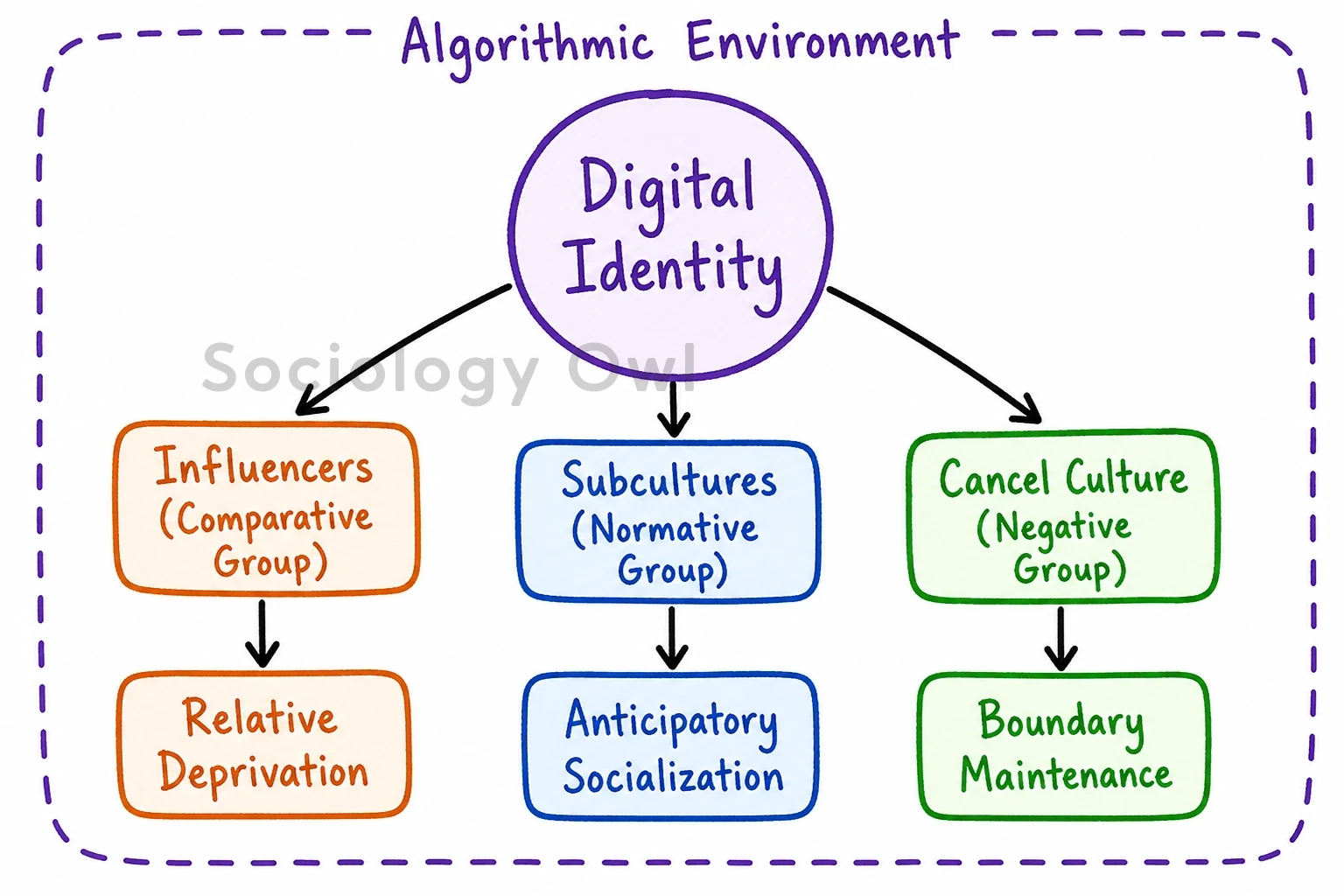
Social media has fundamentally transformed how information spreads and opinions form in society, becoming a critical factor in shaping communal relations. Its unprecedented reach, algorithmic content distribution, and ability to mobilize masses have created complex dynamics affecting social cohesion.

Role of Social Media in Communal Polarization:

1. Echo Chambers and Filter Bubbles
– Algorithmic content curation creates isolated information spheres
– Users get trapped in ideological bubbles, reinforcing existing biases
– Example: Twitter’s trending topics varying significantly for different user groups based on their following patterns and engagement history

2. Amplification of Divisive Content
– Controversial and polarizing content generates higher engagement
– Platform algorithms prioritize emotionally charged content for better user retention
– Example: YouTube’s recommendation system often leading users to increasingly extreme content

3. Organized Disinformation Campaigns
– Coordinated efforts to spread false narratives targeting specific communities
– Use of automated bots and fake accounts to manipulate public opinion
– Example: Systematic spread of doctored videos and images during communal tensions

4. Digital Tribalism
– Formation of rigid online communities based on religious/ethnic identities
– Dehumanization of ‘other’ groups through selective narrative building
– Historical conflicts being digitally recreated and reframed for contemporary context

Ways to Combat Social Media-Induced Polarization:

1. Digital Literacy Initiatives
– Educational programs focusing on critical thinking and fact-checking
– Training in identifying reliable sources and understanding algorithm bias
– Promoting responsible sharing habits

2. Platform-Level Interventions
– Implementation of stronger content moderation policies
– Development of algorithms promoting diverse viewpoints
– Quick action against accounts spreading communal hatred

3. Community-Building Measures
– Promoting inter-community dialogue through social media
– Highlighting positive stories of communal harmony
– Creating digital spaces for constructive discussion

4. Legal and Policy Framework
– Strengthening cyber laws against hate speech
– Establishing clear guidelines for social media platforms
– Encouraging platforms to be more transparent about content moderation

The solution lies in a multi-stakeholder approach involving social media platforms, government agencies, civil society organizations, and users themselves. While social media can amplify divisions, it can also be harnessed as a tool for promoting understanding and harmony between communities.

Discuss the role of social media in communal polarisation. Suggest ways to combat it. Read More »