Model Answer

Underline the socio-cultural factors responsible for India’s skewed sex-ratio.

Model Answers

Q: Underline the socio-cultural factors responsible for India's skewed sex-ratio.

Question asked in UPSC Sociology 2021 Paper 2. Download our app for last 20 year question with model answers.

Model Answer:

India’s Skewed Sex Ratio: Socio-Cultural Analysis

India’s demographic landscape reveals a persistent challenge in its skewed sex ratio, particularly evident in the declining child sex ratio. This demographic imbalance reflects deeply embedded socio-cultural patterns that have endured despite modernization and economic progress, requiring a comprehensive sociological analysis.

Patriarchal Social Structure and Son Preference:

• Deep-rooted preference for male children emerges from patrilineal family systems where sons are viewed as lineage carriers
• Sons are considered primary economic contributors and source of old-age security
• Religious practices, especially last rites traditionally performed by sons, reinforce male preference
• Inheritance patterns and property rights traditionally favor male heirs, strengthening son preference

The intersection of cultural practices and economic factors has created a complex web of gender discrimination:

1. Dowry System’s Impact:
– Despite legal prohibition, dowry practices continue to make daughters perceived as economic liabilities
– Commercialization of marriage arrangements has escalated dowry demands
– Financial burden of daughters’ marriage leads to female feticide and infanticide in certain regions

2. Status of Women and Gender Socialization:
– Limited access to education, healthcare, and nutrition for girls
– Restricted mobility and decision-making power in household matters
– Cultural conditioning that prioritizes male children’s needs and aspirations
– Women’s primary role defined through marriage and motherhood

Regional and Class Variations:

• More prosperous states like Punjab and Haryana show worse sex ratios, indicating economic development alone doesn’t address the issue
• Urban areas with better access to sex-determination technology often display more skewed ratios
• Educational and economic advancement sometimes paradoxically worsen the ratio due to increased access to sex-selection technologies

Modern Technology’s Role:

– Sex-determination technologies have interacted with existing cultural preferences
– Misuse of medical advancements for sex-selective abortions
– Urban, educated populations showing higher instances of sex-selective practices

Conclusion:
Addressing India’s skewed sex ratio requires tackling deep-rooted socio-cultural factors through comprehensive policy interventions and social reform measures.

Underline the socio-cultural factors responsible for India’s skewed sex-ratio. Read More »

Is Indian society moving from “Hierarchy” towards “differentiation” ? Illustrate your answer with suitable examples.

Model Answers

Q: Is Indian society moving from "Hierarchy" towards "differentiation" ? Illustrate your answer with suitable examples.

Question asked in UPSC Sociology 2021 Paper 2. Download our app for last 20 year question with model answers.

Model Answer:

Hierarchy and Differentiation

Indian society has traditionally been characterized by a rigid hierarchical structure, primarily based on the caste system. However, in recent decades, there has been a noticeable shift towards differentiation, driven by various social, economic, and political factors. This transition is complex and ongoing, with elements of both hierarchy and differentiation coexisting in contemporary Indian society.

Shift from Hierarchy to Differentiation can be observed in several key areas:

1. Education and Employment:
• Increased access to education and new economic opportunities has enabled social mobility beyond traditional caste boundaries.
• The rise of a substantial middle class has created new social categories based on economic status rather than caste alone.
• Example: IT professionals from diverse backgrounds working together in multinational corporations.

2. Urbanization:
• Rural-urban migration has weakened traditional village-based hierarchies.
• Urban environments foster anonymous interactions, reducing the immediate visibility of caste markers.
• Example: Mixed-caste neighborhoods in metropolitan areas like Mumbai or Bangalore.

3. Political Participation:
• The rise of identity politics and caste-based parties has paradoxically both reinforced caste identities and challenged traditional hierarchies.
• Reservations in education and government jobs have provided opportunities for social advancement to marginalized groups.
• Example: The emergence of political leaders from lower castes, such as Mayawati in Uttar Pradesh.

4. Consumerism and Lifestyle:
• Growing consumer culture has created new status symbols based on purchasing power rather than hereditary status.
• Media and popular culture promote aspirational lifestyles that transcend traditional hierarchies.
• Example: Luxury car ownership as a status symbol across caste lines.

However, it’s important to note that hierarchy has not disappeared entirely:

• Caste-based discrimination persists, especially in rural areas and in personal spheres like marriage.
• New forms of hierarchy based on economic class have emerged alongside traditional forms.
• Intersectionality of caste, class, and gender continues to shape social experiences.

Sociologist M.N. Srinivas’s concept of “Sanskritization” and “Westernization” helps explain this complex transition. While lower castes still emulate higher caste practices (Sanskritization), modernization and Western influences (Westernization) are simultaneously creating new avenues for social differentiation.

In conclusion, while Indian society is indeed moving towards greater differentiation, this process is neither complete nor uniform. The coexistence of traditional hierarchies and emerging forms of differentiation creates a complex social landscape that continues to evolve.

Is Indian society moving from “Hierarchy” towards “differentiation” ? Illustrate your answer with suitable examples. Read More »

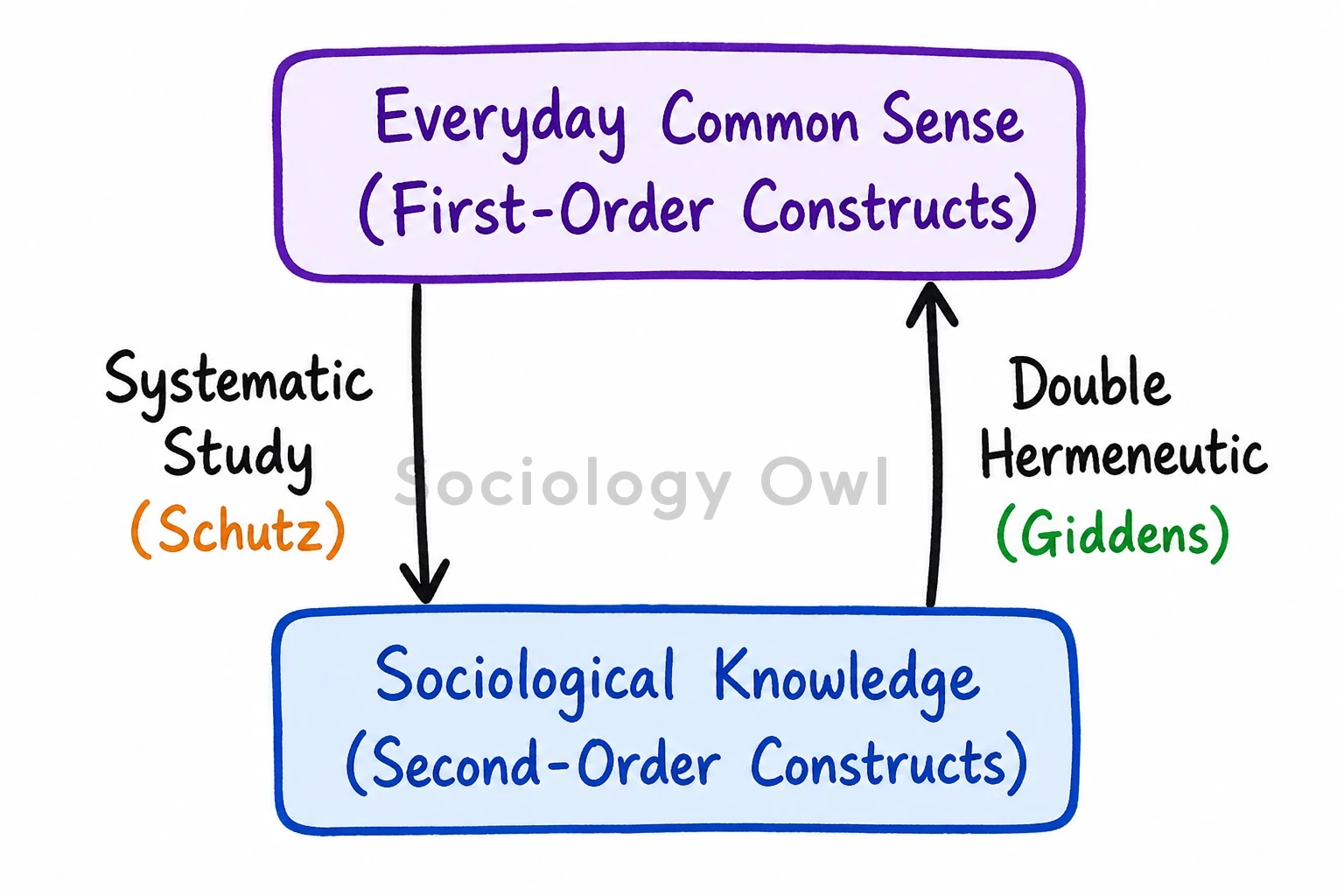
How is sociology related to common sense ?

Model Answers

Q: How is sociology related to common sense ?

Question asked in UPSC Sociology 2021 Paper 1. Download our app for last 20 year question with model answers.

Model Answer:

Sociology and Common Sense

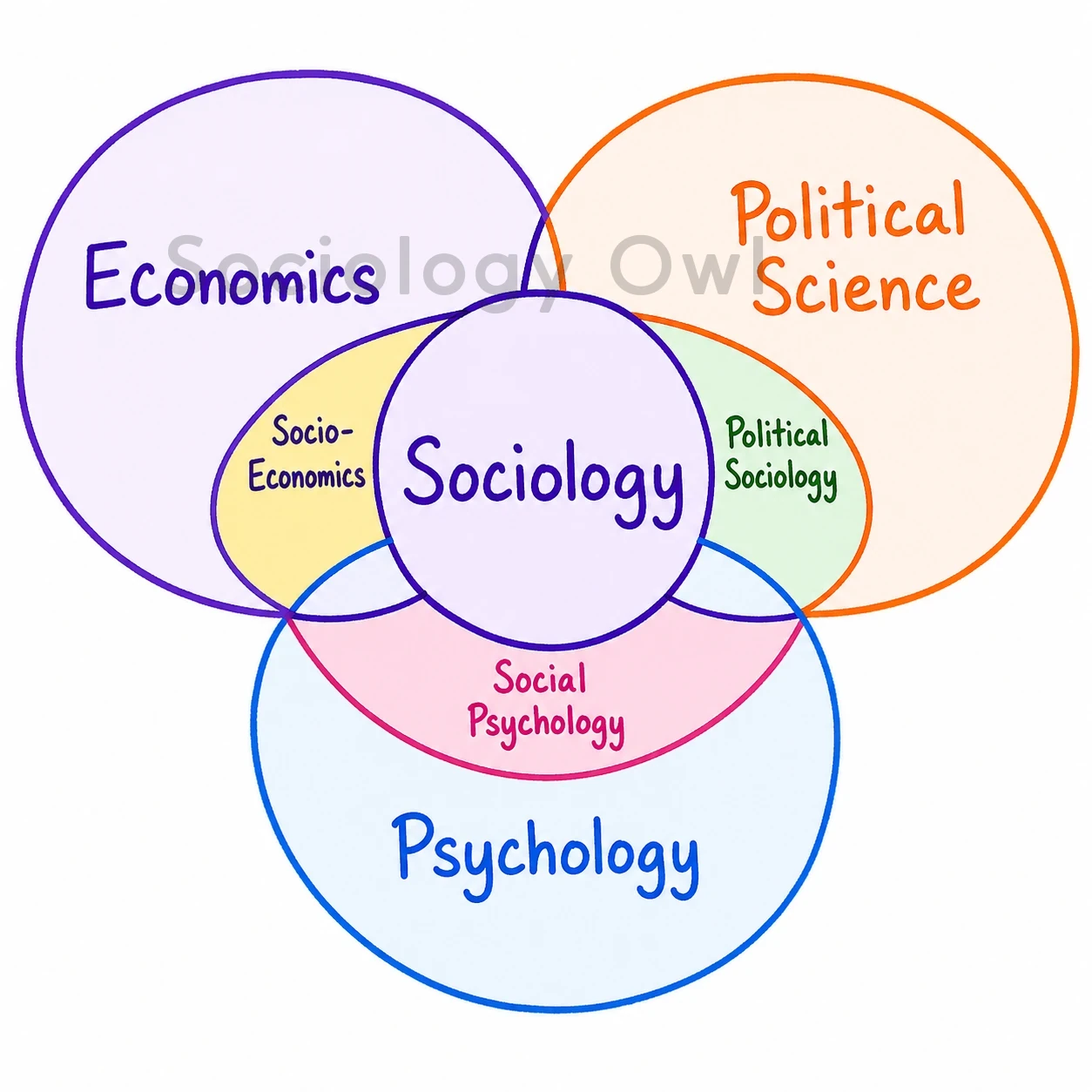
Sociology and common sense are related in that they both deal with understanding human behavior and social interactions, but they differ significantly in their approaches and depth of analysis.

1. Definition:

– Common Sense: Refers to the everyday knowledge and intuitive understanding that people use to make sense of the world. It is often based on personal experiences, cultural norms, and societal stereotypes.
– Sociology: Is a systematic study of society, social institutions, and social relationships. It relies on empirical research, theoretical frameworks, and scientific methods to understand social phenomena.

2. Basis of Knowledge:

– Common Sense: Is subjective and can vary widely between different cultures and individuals. It is often uncritical and taken for granted.
– Sociology: Seeks to provide objective, evidence-based insights. Sociologists question assumptions and seek to uncover underlying patterns and structures in society.

3. Scope and Depth:

– Common Sense: Offers a surface-level understanding that may not account for complexities or contradictions in social life.
– Sociology: Delves deeper into the causes and consequences of social behavior, examining factors such as power dynamics, social structures, and historical contexts.

4. Critical Perspective:

– Common Sense: Often accepts social norms and values as given, without questioning their origins or implications.
– Sociology: Encourages critical thinking and challenges existing beliefs and practices. It aims to uncover biases and question the status quo.

5. Predictive Power:

– Common Sense: May provide immediate, practical solutions but lacks the ability to predict social trends or changes accurately.
– Sociology: Uses theories and data to make informed predictions about social trends, helping policymakers and individuals understand potential future developments.

In summary, while common sense provides a basic framework for navigating everyday life, sociology offers a more rigorous and comprehensive understanding of social dynamics. It challenges assumptions, provides deeper insights, and helps develop a critical perspective on societal issues.

How is sociology related to common sense ? Read More »

Explain whether Durkheim’s theory of Division of Labour is relevant in the present day context.

Model Answers

Q: Explain whether Durkheim's theory of Division of Labour is relevant in the present day context.

Question asked in UPSC Sociology 2021 Paper 1. Download our app for last 20 year question with model answers.

Model Answer:

Durkheim’s Division of Labor in Contemporary Society

Émile Durkheim’s theory of the Division of Labor, despite being formulated in the late 19th century, retains significant relevance in today’s society. Its core principles continue to provide valuable insights into social cohesion, economic organization, and the nature of work in contemporary times. This answer will examine the theory’s enduring applicability and areas where it needs reconsideration in light of current societal changes.

1. Social Cohesion and Solidarity:

• Durkheim argued that the division of labor creates organic solidarity in complex societies, fostering interdependence.
• In today’s globalized world, this concept is even more apparent, with international supply chains and specialized roles creating a web of global interdependence.
• Example: The COVID-19 pandemic highlighted how various sectors (healthcare, technology, logistics) are interconnected and crucial for societal functioning.

2. Specialization and Efficiency:

• Durkheim’s emphasis on specialization leading to increased efficiency remains valid.
• Modern economies thrive on highly specialized roles, particularly in technology and knowledge-based sectors.
• However, the rapid pace of technological change also requires adaptability, somewhat challenging Durkheim’s view of fixed specializations.

3. Social Integration and Anomie:

• Durkheim warned about the potential for anomie (normlessness) if the division of labor becomes too extreme.
• This concern is relevant today, with issues like job insecurity, automation, and rapidly changing skill requirements leading to social disintegration for some groups.
• Example: The decline of traditional manufacturing jobs in many Western countries has led to social problems in affected communities.

4. Collective Conscience:

• Durkheim believed that the division of labor would lead to a weaker collective conscience.
• In the modern context, while local collective consciences may have weakened, global issues like climate change and human rights have created new forms of shared consciousness.

5. Gender and Labor Division:

• Durkheim’s theory didn’t adequately address gender inequalities in labor division.
• Today, while progress has been made, gender-based division of labor remains a significant sociological issue, requiring an expansion of Durkheim’s original concept.

6. Digital Economy and New Forms of Labor:

• The rise of the gig economy, remote work, and digital platforms has created new forms of labor division not envisioned by Durkheim.
• These developments both support (increased specialization) and challenge (blurring of work-life boundaries) aspects of his theory.

In conclusion, while Durkheim’s theory of the Division of Labor provides a valuable framework for understanding social cohesion and economic organization, it requires adaptation to fully explain the complexities of modern society. Its core principles of interdependence and specialization remain relevant, but must be considered alongside new factors such as globalization, technological change, and evolving social norms.

Explain whether Durkheim’s theory of Division of Labour is relevant in the present day context. Read More »

What is subjective method in social research? Examine Focus Group Discussion (FGD) as a technique for data collection, with suitable examples.

Model Answers

Q: What is subjective method in social research? Examine Focus Group Discussion (FGD) as a technique for data collection, with suitable examples.

Question asked in UPSC Sociology 2011 Paper 1. Download our app for last 20 year question with model answers.

Model Answer:

Subjective Methods in Social Research

The subjective method in social research is an approach that focuses on understanding social phenomena from the perspective of the participants involved. Key aspects include:

1. Emphasis on lived experiences and personal interpretations
2. Recognition of multiple realities constructed by individuals
3. Researcher’s active involvement in the data collection process
4. Use of qualitative techniques to capture rich, descriptive data
5. Aim to uncover meanings people attribute to their social world

Theoretical foundations:
• Weber’s Verstehen approach: Emphasizes empathetic understanding
• Symbolic Interactionism (Blumer): Focuses on how individuals interpret and create meaning in social interactions

Focus Group Discussion (FGD) as a Data Collection Technique:

FGD is a qualitative research method that exemplifies the subjective approach. It involves:

1. Definition: A structured, interactive group interview led by a moderator
2. Typical size: 6-10 participants
3. Duration: Usually 1-2 hours

Key features:
• Group interaction and dynamics
• Semi-structured format with predetermined questions
• Flexibility to explore emerging themes

Strengths:
• Generates rich, in-depth data on opinions, attitudes, and experiences
• Allows observation of social interactions and collective meaning-making
• Efficient for collecting data from multiple participants simultaneously
• Stimulates new ideas through group synergy

Limitations:
• Potential for groupthink or dominant voices influencing others
• Less suitable for sensitive topics
• Requires skilled moderation

Examples of FGD application:

1. Market research: Understanding consumer preferences for a new product
– E.g., gathering opinions on smartphone features from young adults

2. Public health: Exploring community attitudes towards health initiatives
– E.g., discussing perceptions of COVID-19 vaccination among elderly populations

3. Social policy: Evaluating the impact of government programs
– E.g., assessing the effectiveness of job training programs for unemployed individuals

4. Education: Gathering feedback on curriculum or teaching methods
– E.g., exploring student experiences with online learning during the pandemic

In conclusion, the subjective method in social research, exemplified by techniques like FGD, provides valuable insights into how people interpret and construct their social realities. While it has limitations, this approach remains crucial for understanding complex social phenomena from the participants’ perspectives.

What is subjective method in social research? Examine Focus Group Discussion (FGD) as a technique for data collection, with suitable examples. Read More »

Sociology Optional 2022 Paper 2 Solution

2022 Paper 2

Sociology Optional 2022 Paper 2 Model Answers

Our UPSC Sociology Optional 2022 Paper 2 webpage provides a comprehensive collection of model answers to questions from this examination. This resource is designed to help aspirants understand the depth and breadth of responses expected in the UPSC Sociology Optional Paper 2. 

Download 2022 Sociology Optional Paper 2 PDF

Click on Question to see Model Answer
Section A

Q.1 Write short answers, with a sociological perspective, on the following questions in about 150 words each:
a) Elaborate on M.N. Srinivas’s structural functionalist approach to the study of Indian society.
b) Do you agree that the agrarian class structure in India is changing ?Justify your answer with illustrations.
c) Elucidate the challenges of integration for tribal communities in india.
d) In the context of changing Indian society, how do you view Andre Beteille’s conceptions of harmonic and disharmonic social structures ?
e) Explain Leela Dube’s concept of “Seed and Earth”.

Q.2 a) Critically examine GS Ghurye’s Indological approach to the understanding of Indian society.
b) Elaborate on changing nature of caste system with suitable illustrations.
c) Discuss the problem of religious minorities in India and suggest measures to solve them.

Q.3 a) Critically examine Yogendra Singh’s thesis on ‘Modernization of Indian Tradition’.
b) Discuss the material basis of patriarchy as an ideological system.
c) Explain the different forms of untouchability in India.

Q.4 a) Examine the social background of growth of indian nationalism.
b) Explain how land reforms brought about desired agrarian transformation.
c) Discuss the challenges during village studies in India.

Section B

Q.5 Write short answers, with a sociological perspective, on the following questions in about 150 words each:
a) Discuss Law as an important instrument for women’s empowerment.
b) Examine different understandings of secularization in india?
c) How do you view the growth of informal sector in india ?
d) Discuss the role of pressure groups in strengthening democracy.
e) What role do co-operatives plays in poverty alleviation in rural India ?

Q.6 a) Examine whether rural bondage still continues to be a social reality. Give your argument .
b) Define ethnicity . Discuss the factors responsible for the growth of ethnic movements in India.
c) Discuss the changing nature of structure of political elites.

Q.7 a) “Instead of promoting equality in society , the present system of education itself has contributed to increased socio economic disparities” Comment .
b) Discuss recent trends in the structure of migration .
c) Discuss different forms of deprivation associated with slums.

Q.8 a) Bring out the various issues involved in Dalit movements in India.
b) Critically examine the dialectics between ‘development and environment’.
c) Discuss the changing nature of industrial working class.

Sociology Optional Paper 2 2022

Sociology Optional 2022 Paper 2 Solution Read More »

Sociology Optional 2021 Paper 1 Solution

2021 Paper 1

Sociology Optional 2021 Paper 1 Model Answers

Our UPSC Sociology Optional 2021 Paper 1 webpage provides a comprehensive collection of model answers to questions from this examination. This resource is designed to help aspirants understand the depth and breadth of responses expected in the UPSC Sociology Optional Paper 1. 

Download 2021 Sociology Optional Paper 1 PDF

Click on Question to see Model Answer

Section-A

Q1. Answer the following questions in about 150 words each : 
(a) Europe was the first and the only place where modernity emerged. Comment.
(b) Do you think ethnomethodology helps us in getting reliable and valid data ? Justify your answer.
(c) Discuss the challenges involved in collecting data through census method.
(d) Explain whether Durkheim’s theory of Division of Labour is relevant in the present day context.
(e) Critically examine Max Weber’s theory of Social Stratification.

Q2. (a) From the viewpoint of growing importance of multidisciplinarity, how do you relate sociology to other social sciences ?
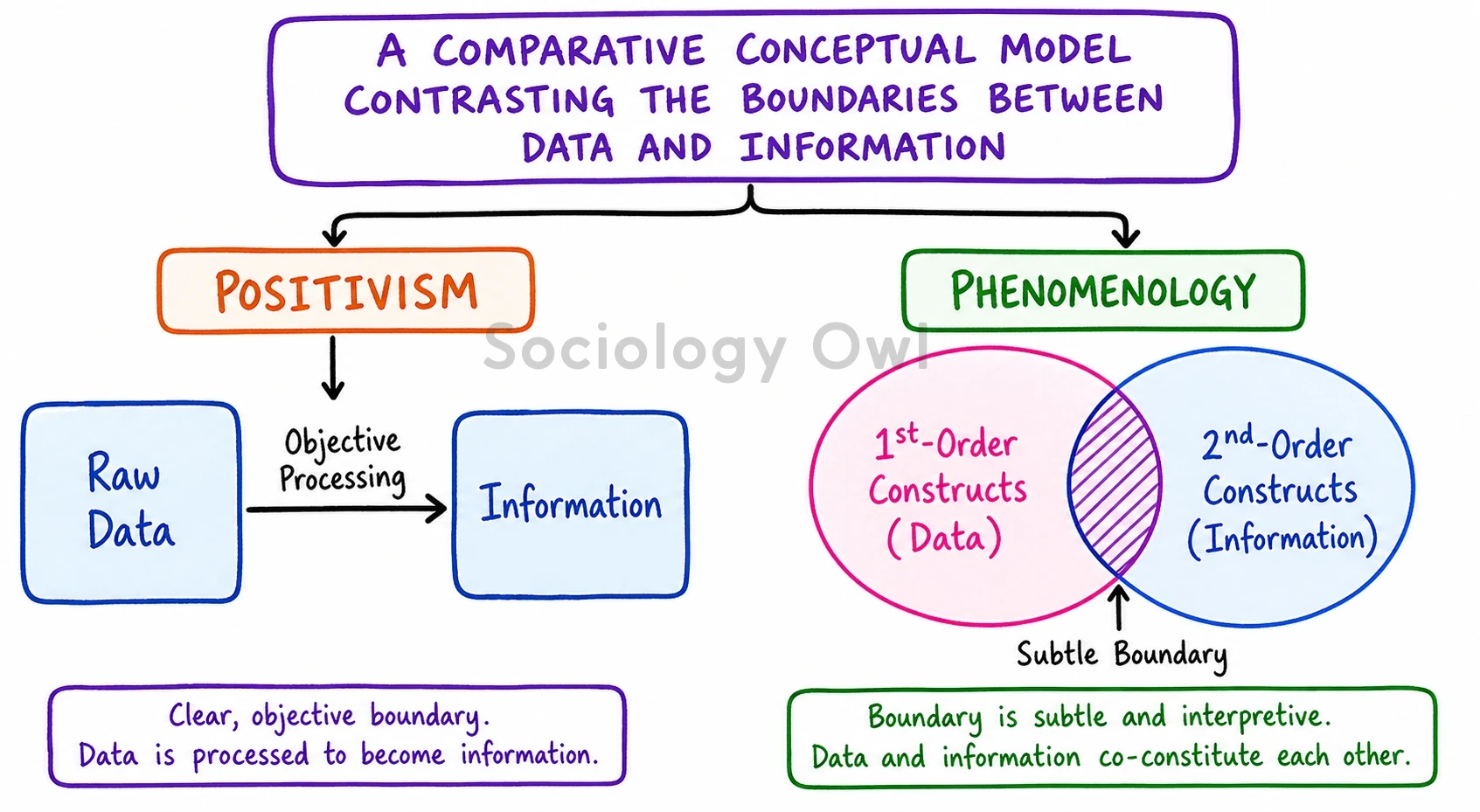
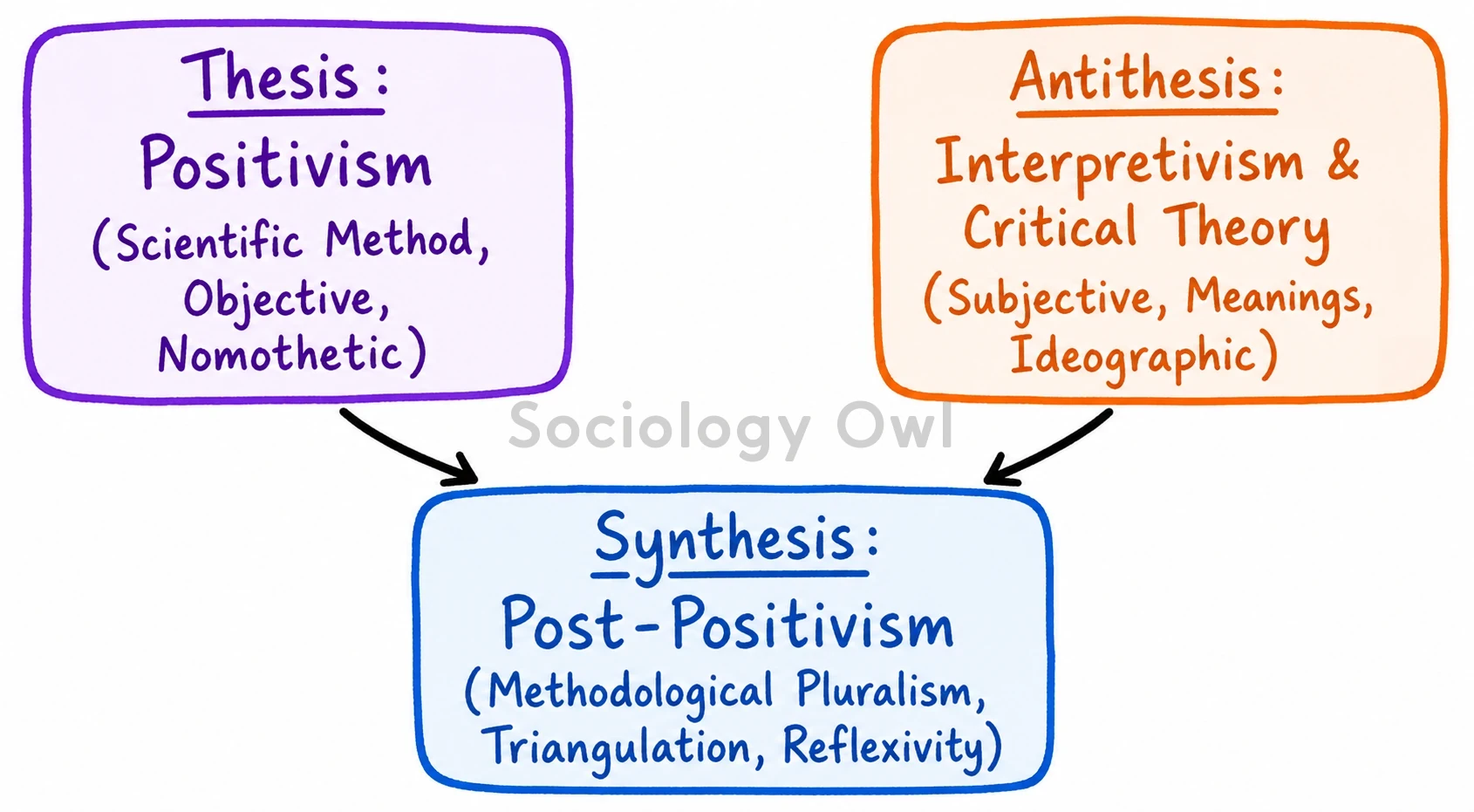
(b) How far are sociologists justified in using positivist approach to understand social reality ? Explain with suitable illustrations.
(c) How is sociology related to common sense ?

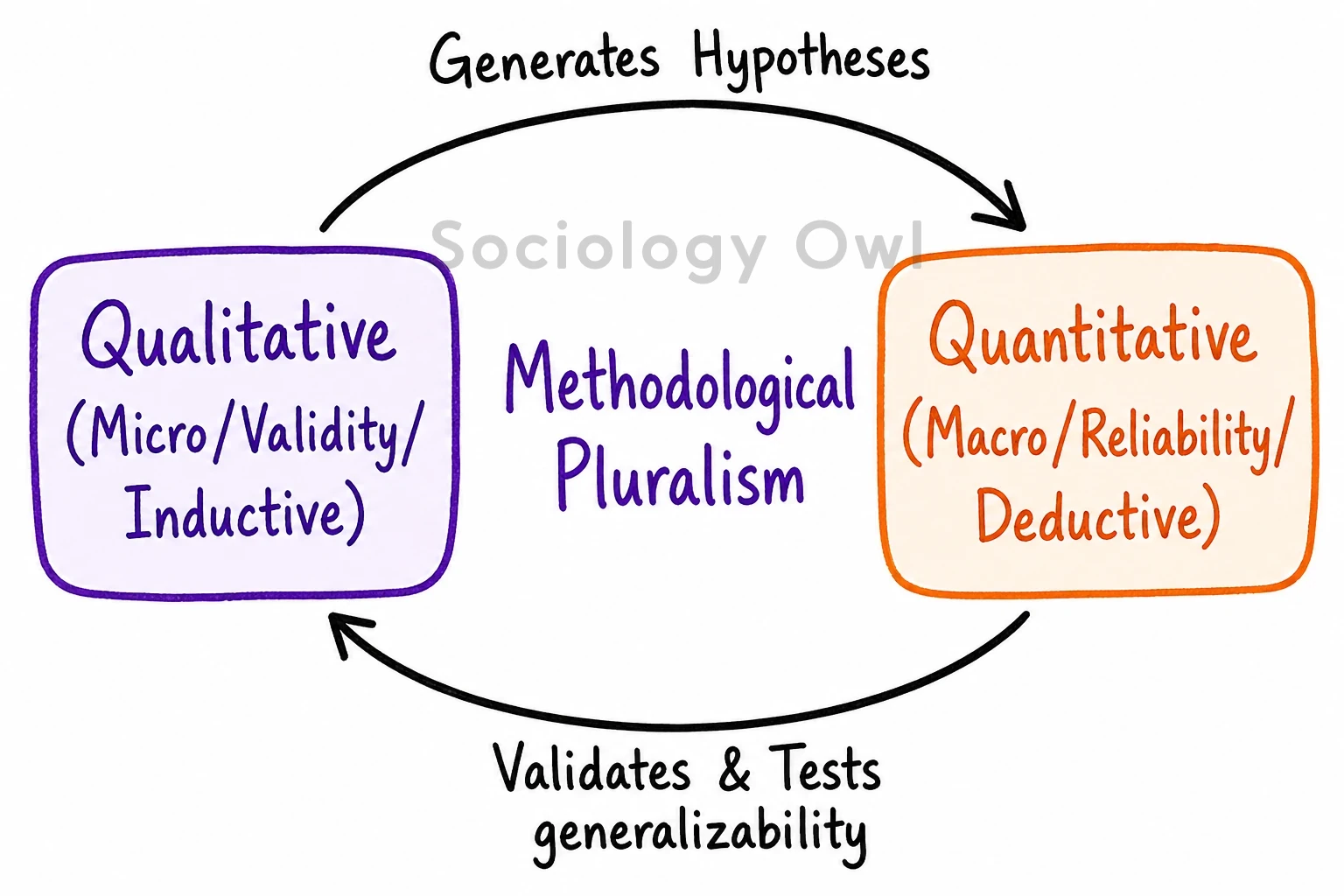
Q3. (a) How do qualitative and quantitative methods supplement each other in sociological enquiry?
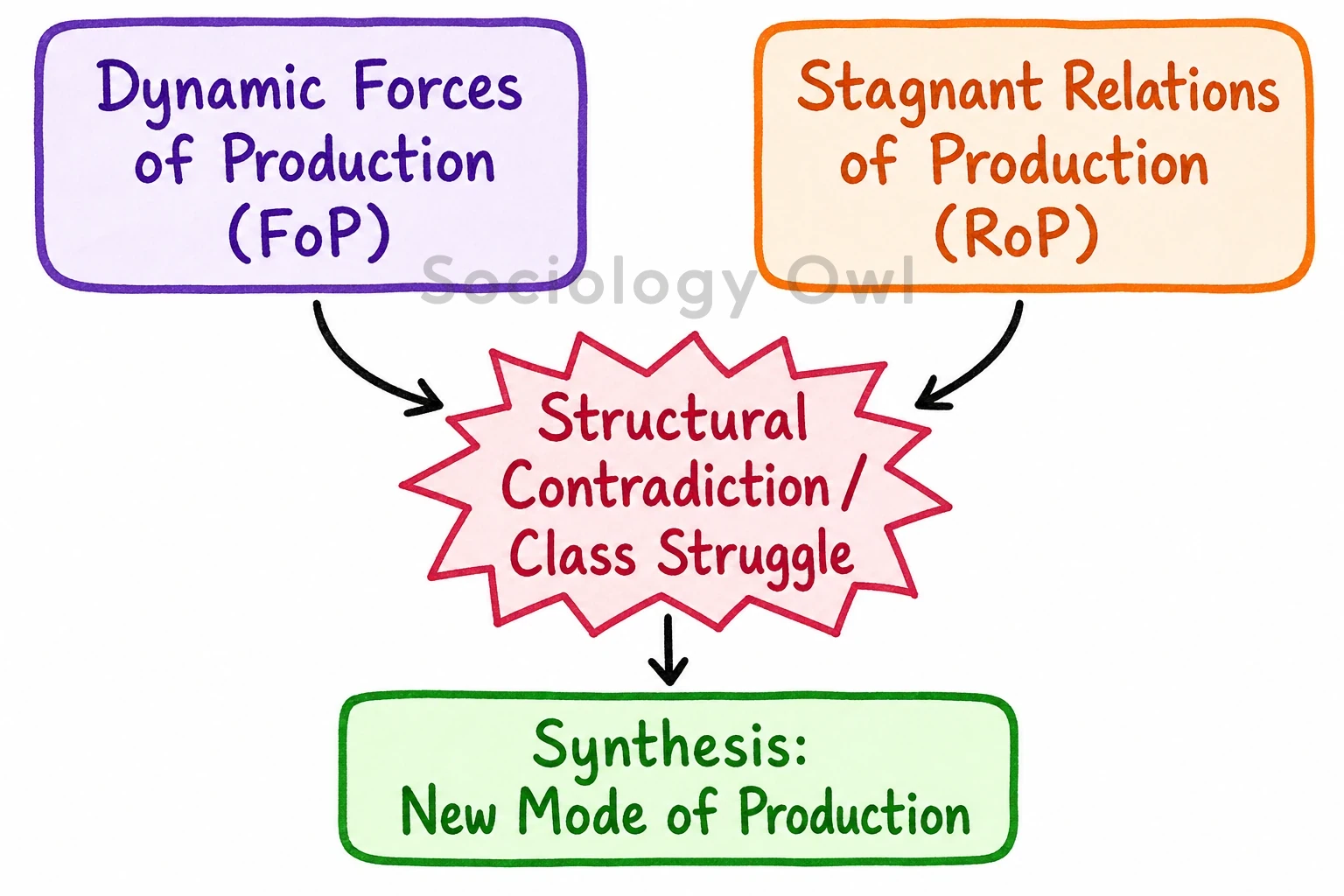
(b) Critically examine the dialectics involved in each mode of production as propounded by Karl Marx.
(c) Do you agree with Max Weber’s idea that bureaucracy has the potential to become an iron cage ? Justify your answer.

Q4. (a) Explain the concept of social mobility. Describe with suitable illustrations how education and social mobility are related to each other.
(b) How has the idea of Work From Home’ forced us to redefine the formal and informal organisation of work ?
(c) With suitable examples, explain how conformity and deviance coexist in a society as propounded by R.K. Merton.

Section-B

Q5. Answer the following questions in about 150 words each : 

(a) Explain the emerging challenges in establishing gender equality in the informal sector.
(b) Critically examine the relevance of Vilfredo Pareto’s theory of Circulation of Elites in the present scenario.
(c) Critically compare the views of E.B. Tylor and Max Muller on Religion.
(d) What is cult ? Explain the growth of cults in the contemporary world.
(e) Do you think Talcott Parsons gave an adequate theory of social change? Justify your answer.

Q6. (a) Elucidate the main problems and challenges faced by the migrant labourers in the recent ‘Lockdown period’.
(b) Explain how political parties and pressure groups are dialectically related to each other in terms of achieving their goals.
(c) Give your comments on the growth of religious revivalism in the present day context.

Q7. (a) Explain how the pattern of patriarchy is being altered in a family and at the workplace in the present context.
(b) Critically examine the contribution of dependency theories in understanding the present global scenario.
(c) Explain the growing salience of ethnicity in the contemporary world with illustrations.

Q8. (a) Discuss the changing nature of kinship relations in the contemporary world.
(b) Describe the role of Science and Technology in enabling us to face the challenges triggered by the COVID-19 pandemic.
(c) Highlight the roles and functions of civil society in a democratic system.

Sociology Optional Paper 1 2021 Paper Download

Sociology Optional 2021 Paper 1 Solution Read More »

Sociology Optional 2021 Paper 2 Solution

2021 Paper 2

Sociology Optional 2021 Paper 2 Model Answers

Our UPSC Sociology Optional 2021 Paper 2 webpage provides a comprehensive collection of model answers to questions from this examination. This resource is designed to help aspirants understand the depth and breadth of responses expected in the UPSC Sociology Optional Paper 2. 

Download 2021 Sociology Optional Paper 2 PDF

Click on Question to see Model Answer

Section-A

Q1. Write short answers, with a sociological perspective, of the following questions in about 150 words each:

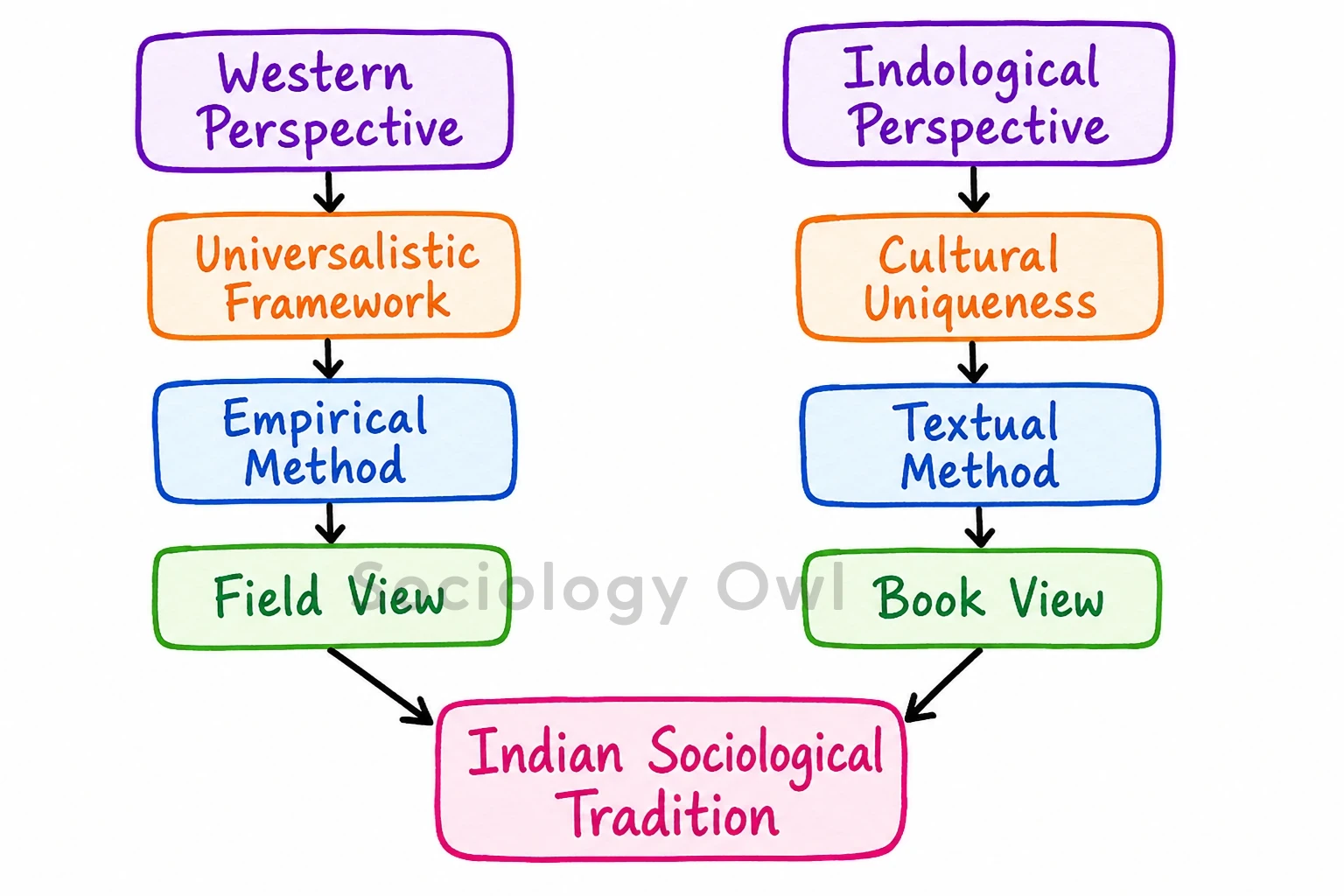
(a) Caste system studies in India have been dominated by the “book-view” initially, How did the entry of “field-view” bring about a balance in the study of Indian caste system? Discuss.
(b) What does Dr. B. R. Ambedkar mean by the concept of “Annihilation of caste” ?
(c) Discuss different forms of kinship system in India. 
(d) Critically examine briefly the phrase “Little ‘Republics” as used to denote India’s villages.
(e) Caste-like formations are present in Non-Hindu religious communities as well. Discuss with examples.

Q2. (a) What is identity politics? Discuss the main trends in Dalit movements in India.
(b) Is Indian society moving from “Hierarchy” towards “differentiation” ? Illustrate your answer with suitable examples.
(c) Discuss the salient features of ‘new middle class’ in India.

Q3. (a) Discuss in detail the major contribution of Prof. Yogendra Singh in theorizing India’s modernization.
(b) Examine the factors responsible for the rural unrest in contemporary India.
(c) Discuss the changing dimensions of family structure in urban India.

Q4. (a) What are the sociological reasons and implication of “reverse migration” during the recent pandemic in India ?
(b) Discuss the main features of the debate between G. S. Ghurye and V. Elwin on tribal development.
(c) What are the various forms of untouchability in India ? Critically examine.

Section-B

Q5. Write short answers, with sociological perspective, of the following questions in about 150 words each :

(a) Analyze the idea of developmental planning in India.
(b) Comment on the role of co-operatives in rural development.
(c) Urban slums are sites of social exclusion – explain.
(d) Does regionalism essentially lead to decentralization of power? Substantiate your answer with relevant examples.
(e) Discuss the role of technology in agrarian change in India.

Q6. (a) Explain the sociological significance of the New Education Policy and its thrust on vocationalization and skill development.
(b) Is ‘ageing an emerging issue in Indian society ? Discuss the major problems of the old age people in India.
(c) Underline the socio-cultural factors responsible for India’s skewed sex-ratio.

Q7. (a) The problem of displacement is inherent in the idea of development. Analyze the statement critically.
(b) Rising ‘ethnocentricism’ is leading to conflict in our society. Assess this statement with appropriate reasons.
(c) Is social democracy a precondition for political democracy ? Comment.

Q8. (a) Discuss the role of social media in communal polarisation. Suggest ways to combat it.
(b) Urban settlements in India tend to replicate its rural caste-kinship imprints. Discuss the main reasons.
(c) Does “economic empowerment” automatically bring about “substantive empowerment” for women ? Briefly describe the main issues in women empowerment in India.

Sociology Optional Paper 2 2021 PDF

Sociology Optional 2021 Paper 2 Solution Read More »

Analyse the sociological interconnections between Social Media and Mass Mobilization in India.

Model Answers

Q: Analyse the sociological interconnections between Social Media and Mass Mobilization in India.

Question asked in UPSC Sociology 2023 Paper 2. Download our app for last 20 year question with model answers.

Model Answer:

Sociological interconnections between Social Media and Mass Mobilization in India

Social media has emerged as a powerful tool influencing mass mobilization in India, reshaping how collective action is organized and executed. These movements reflect Durkheim’s notion of collective effervescence, where shared emotions lead to unified action. This interconnection has profound sociological implications.

Key sociological concepts and interconnections:

1. Public Sphere: Social media platforms function as modern public spheres, enabling open discourse beyond traditional media constraints.

2. Network Society: Manuel Castells’ concept is evident, with social relations structured around digital networks rather than physical spaces.

3. Collective Consciousness: Rapid dissemination of information fosters a shared awareness among diverse populations.

4. Lowered Barriers: Social media provides accessible platforms for engagement, facilitating organization of protests through viral communication.

Examples in India:

• Anna Hazare’s Anti-Corruption Movement (2011): Social media galvanized nationwide protests demanding the Jan Lokpal Bill.

• Nirbhaya Protests (2012): Online outrage over the Delhi gang rape case mobilized masses, leading to legal reforms on sexual violence.

• Farmers’ Protests (2020-2021): Social media was instrumental in organizing large-scale protests against new agricultural laws.

In conclusion, social media significantly impacts mass mobilization in India by transforming communication and organization methods, empowering citizens to initiate social change. It demonstrates the profound sociological interconnections between digital platforms and collective action in contemporary Indian society.

Analyse the sociological interconnections between Social Media and Mass Mobilization in India. Read More »

Critique the victory narratives of Green Revolution in the context of Indian society.

Model Answers

Q: Critique the victory narratives of Green Revolution in the context of Indian society.

Question asked in UPSC Sociology 2023 Paper 2. Download our app for last 20 year question with model answers.

Model Answer:

Critiquing the Green Revolution’s Victory Narrative in India

The Green Revolution in India, initiated in the 1960s, is often celebrated for boosting agricultural productivity and ensuring food security. However, a critical sociological analysis reveals significant implications for Indian society beyond mere productivity gains.

• Social inequalities: The Green Revolution exacerbated existing rural disparities. Large landowners and wealthy farmers, with better access to resources, were the primary beneficiaries. A.R. Desai noted this widening gap between rich and poor farmers.

• Regional disparities: Initially concentrated in well-irrigated regions like Punjab and Haryana, the Green Revolution led to uneven agricultural development. Dipankar Gupta argues this contributed to regional tensions and political unrest.

• Marginalization of small farmers: The capital-intensive nature of new technologies disadvantaged small and marginal farmers. Many were forced to sell land and become laborers. Utsa Patnaik highlights how this process fueled India’s agrarian crisis.

• Changing social relations: Traditional systems like jajmani began breaking down as commercial agriculture prevailed. M.N. Srinivas observed the erosion of social support networks and increased individualization.

• Gender implications: Mechanization marginalized women’s traditional agricultural roles. The reduced need for manual weeding, typically done by women, negatively impacted their economic and social status.

• Environmental consequences: Intensive use of chemicals and irrigation led to soil degradation and water pollution. Environmental activist Vandana Shiva has been a vocal critic of these ecological impacts.

While ensuring food security, the Green Revolution’s “victory narrative” often overlooks these critical sociological impacts, necessitating a more holistic understanding of its effects on Indian society.

Critique the victory narratives of Green Revolution in the context of Indian society. Read More »